A well-configured racing machine is no longer just a solo entertainment unit. When operators link multiple racing machine cabinets together, they unlock a competitive game environment that transforms passive players into engaged rivals. Every racing machine in a linked setup communicates in real time, sharing speed data, lap times, and positional rankings so that each player reacts to what the others are doing. This creates the kind of electric atmosphere that keeps arcade floors buzzing and players returning.
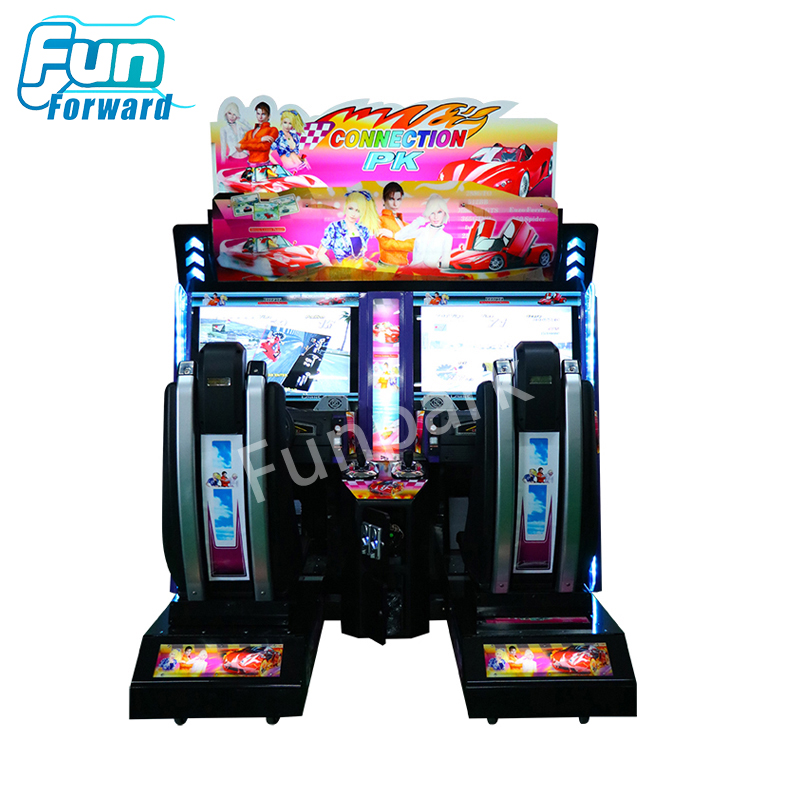
Understanding how to build that competitive scene is the real challenge for venue operators. It is not simply a matter of placing one racing machine next to another. From hardware networking to spatial layout, every decision shapes how intense and enjoyable the racing machine experience feels for players. This article breaks down the essential elements that make a multiplayer linked racing machine setup genuinely competitive and commercially successful.
A linked racing machine setup relies on a local area network that connects each racing machine cabinet to a central server or peer-to-peer protocol. Each racing machine sends positional data, player inputs, and timing information several times per second. This low-latency exchange ensures that every racing machine screen reflects a shared, synchronized game world. When one racing machine player overtakes another, both screens update instantly, preserving the realism that competitive play demands.
Most modern racing machine systems use dedicated LAN switches to isolate game traffic from other venue networks. A dedicated switch reduces packet loss and keeps every racing machine running at peak synchronization. Operators should verify that the racing machine manufacturer supports a stable link protocol before purchasing, because protocol quality directly determines how smooth the shared race feels across all connected units.
Beyond basic connectivity, configuring each racing machine correctly determines the quality of competitive play. Operators must assign each racing machine a unique cabinet ID within the linked group so the server can track individual standings. The racing machine software should be set to broadcast countdown timers simultaneously, ensuring all players enter the race at exactly the same moment. Staggered starts break the competitive balance and reduce the appeal of the racing machine experience.
A well-tuned racing machine network also supports a shared leaderboard display. Mounting a central screen above the racing machine row that shows live lap times and positions adds visible pressure to every race. Players who can see exactly where they stand against rivals on every racing machine feel a stronger urge to improve and replay, which is the commercial heart of a successful racing machine zone.
The physical arrangement of each racing machine cabinet significantly affects the competitive atmosphere. Placing every racing machine in a straight line, side by side, allows players to make quick eye contact and engage in real-world trash talk, amplifying the social energy of the racing machine experience. Angling each racing machine slightly inward creates a cockpit-style enclosure effect that feels more immersive without preventing players from watching rivals.
Operators should also consider the viewing corridor in front of the racing machine row. A clear two-meter zone in front of every racing machine lets bystanders watch live races without crowding the players. Spectators generate social proof for the racing machine zone, drawing in new players who witness others competing. This passive audience effect is one of the most powerful natural marketing tools that a well-placed racing machine row can deliver.
Ambient lighting and audio dramatically shape how competitive the racing machine zone feels. Directional LED strips mounted above each racing machine, set to shift color with race intensity, signal to everyone in the venue that something exciting is happening at the racing machine area. Sound bleed from each racing machine engine and crash effect builds a shared sensory experience that invites participation.
Avoid excessively loud audio environments around the racing machine row, as this can create fatigue and discourage extended play sessions. The ideal racing machine zone balances immersive sound levels with conversational audibility so that players can challenge each other verbally between races. That social layer is what separates a great racing machine setup from a collection of isolated units.
The game programming inside each racing machine offers multiple formats that change how competitive a session feels. Time attack modes put every racing machine player against the clock rather than directly against each other, which suits casual visitors. Head-to-head elimination formats, where the last-place racing machine player exits after each lap, create escalating tension that drives longer sessions and encourages rematches.
Tournament scheduling is another powerful tool. Operators can program the racing machine network to run bracket-style tournaments during peak hours, automatically seeding players based on qualifying lap times registered on each racing machine. Publishing the racing machine tournament schedule at the venue entrance creates anticipation and motivates players to arrive early to practice on the racing machine before competitive rounds begin.
Competitive game scenes depend on meaningful reward loops. A racing machine system that records high scores and issues printed or digital receipts with a player ranking creates a tangible trophy from every session. When players can compare their racing machine results across visits, they build a performance history that gives each new racing machine session a personal stakes dimension.
Operators can also introduce loyalty incentives tied directly to racing machine play frequency. Players who complete a set number of racing machine sessions unlock bonus credits, priority race selection, or exclusive racing machine game modes. These mechanics reinforce the habit of returning to the racing machine zone, which is the foundation of sustained venue revenue generated by the racing machine investment.
A minimum of two units is required to link, but most competitive racing machine setups use four to six cabinets. Four racing machine units allow full-grid racing that feels genuinely contested while remaining manageable for a single operator to oversee and maintain.
A dedicated gigabit LAN switch is the core requirement. Each racing machine connects to this switch via ethernet cable. The racing machine server software then manages synchronization. Wireless connections are not recommended for a competitive racing machine environment due to latency inconsistencies.
Yes, provided the network cabling between zones maintains low latency. A racing machine network tolerates up to roughly 50 meters of ethernet cable without signal degradation. For longer distances, a network switch extension can bridge racing machine zones while preserving synchronization quality across all units.
Copyright © Guangzhou Fun Forward Technology Co., Ltd - Privacy policy
 EN
EN