A well-planned racing machine setup can completely transform the energy of a shopping mall arcade. When visitors walk past an arcade zone featuring a racing machine, the visual impact and engine-roar sound effects draw immediate attention. For mall operators and arcade business owners, investing in a racing machine is one of the most reliable ways to anchor foot traffic and generate consistent coin or token revenue throughout the week.
This case study walks through the practical considerations behind setting up a racing machine in a commercial mall arcade environment. From choosing the right racing machine model to arranging space for peak player engagement, every decision shapes the long-term performance of your arcade zone. Understanding the setup process helps operators avoid costly mistakes and create an experience that keeps players coming back to the racing machine again and again.
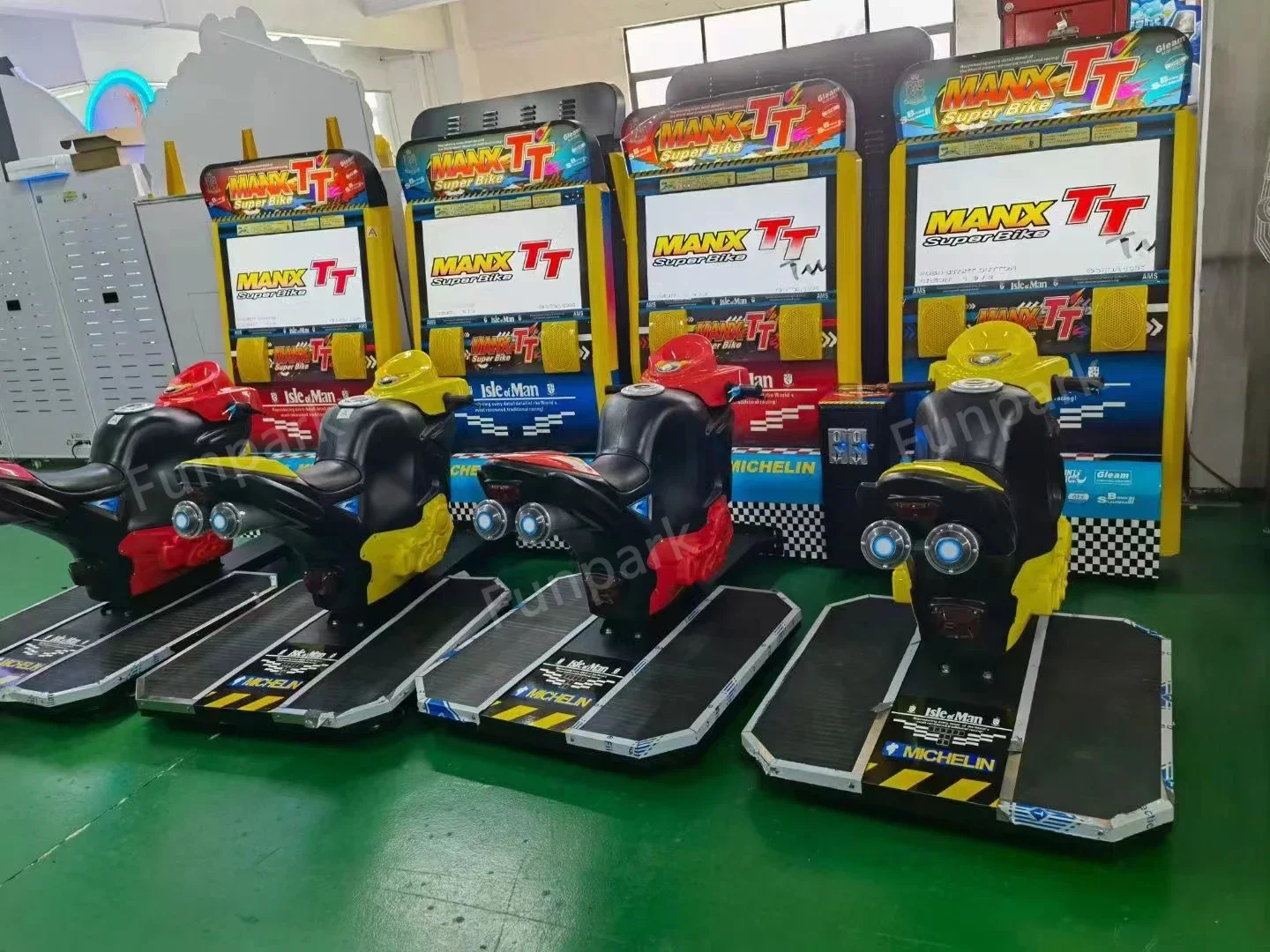
Not every racing machine is designed for high-volume commercial environments. A shopping mall arcade demands a racing machine that can withstand continuous daily use, accommodate players of varied ages, and deliver a visually compelling experience that stands out on the arcade floor. The two most common formats are the sit-down racing machine cabinet, which offers an enclosed cockpit-style feel, and the motorcycle-style racing machine, which appeals strongly to younger audiences and casual players looking for a quick, thrilling experience.
When selecting a racing machine for a mall setting, operators should prioritize durability, screen size, and motion feedback. A racing machine with a larger display and force-feedback steering attracts more spontaneous players passing by. The motorcycle variant of the racing machine is particularly effective in open arcade layouts because its upright riding position is visible from a greater distance, functioning as a natural advertisement for itself.
Floor space is a critical variable in any racing machine setup. A single racing machine unit typically requires between four and eight square meters of clear operational space, factoring in player movement, safety clearance, and the queue area that forms during peak hours. In a large-scale arcade setup within a mall, operators often cluster two or four racing machine units together to create a racing zone rather than scattering individual racing machine cabinets throughout the floor. Clustering enhances the competitive atmosphere and encourages players to challenge one another, which directly extends average play time per racing machine unit.
Placement is everything when it comes to converting foot traffic into paying players at the racing machine. Ideally, each racing machine should be positioned near the main entrance of the arcade or along primary pedestrian pathways inside the mall. When a racing machine is visible from outside the arcade zone, it acts as a passive marketing tool, pulling curious shoppers in without requiring additional promotion. Operators who position the racing machine toward the back of the arcade lose this visibility advantage and typically see lower utilization rates.
Lighting also plays a major role in racing machine visibility. A racing machine cabinet equipped with LED lighting strips or dynamic screen animations naturally commands attention in the busy visual environment of a shopping mall. Pairing the racing machine with strategic overhead spotlights further differentiates the racing zone from surrounding game sections and signals to visitors that this is a premium entertainment experience worth stopping for.
A dedicated racing machine zone creates a sense of destination within the broader arcade. Rather than treating the racing machine as just another piece of equipment, a themed zone with consistent visual branding, branded floor mats beneath each racing machine, and a scoreboard display elevates the overall experience. When players see a clearly defined racing machine area, they perceive the arcade as more organized and professional, which increases trust and spending willingness. A racing machine zone also simplifies staff management, since attendants can monitor multiple racing machine units from a single vantage point.
Setting the right price per racing machine session is a direct revenue driver. Most successful mall arcades price each racing machine session between one and three minutes, with token or coin costs calibrated to the local demographic. A racing machine session that feels too short frustrates players, while one that is too long reduces unit turnover during peak hours. Operators should monitor racing machine utilization data during weekends and school holidays to adjust session length and pricing dynamically. Offering a multi-session discount for the racing machine encourages repeat plays within a single visit and increases per-visit revenue.
A racing machine that is out of service loses revenue immediately and damages the reputation of the arcade as a whole. Scheduled weekly maintenance of each racing machine unit, including checking steering mechanisms, pedal responsiveness, screen calibration, and cabinet integrity, keeps downtime to a minimum. Operators running a large-scale racing machine setup should maintain a basic stock of common replacement parts, such as pedal return springs and steering wheel grips, so that a racing machine can be restored to full operation within hours rather than days. Responsive maintenance practices directly protect the racing machine investment and maintain player satisfaction.
For a new mall arcade, starting with two to four racing machine units is a practical approach. This gives operators enough racing machine capacity to create a competitive zone atmosphere while keeping the initial investment manageable. As utilization data accumulates, additional racing machine units can be added based on demonstrated demand during peak periods.
A sit-down car-style racing machine tends to work well for mixed-age audiences because it accommodates both children with adult supervision and adult players independently. The motorcycle-style racing machine is better suited for arcades targeting teenage and young adult demographics. Offering both formats in a racing machine zone ensures the broadest possible audience reach within the mall environment.
In a high-traffic mall arcade, each racing machine should receive a basic inspection and cleaning at least once per week, with a more thorough mechanical service conducted monthly. High-use components such as steering wheels, pedals, and seat mechanisms on each racing machine experience the most wear and should be checked more frequently during school holiday seasons when player volume peaks significantly.
Copyright © Guangzhou Fun Forward Technology Co., Ltd - Privacy policy
 EN
EN