The hybrid retail model combining capsule toy dispensers with a doll machine setup has become one of the most talked-about formats in the amusement and entertainment retail space. Store operators who once relied on a single revenue stream are now discovering that blending two complementary product formats under one roof creates a stronger customer experience and a more resilient business model. This case study digs into how that hybrid approach works in practice, what it looks like on the floor, and why the doll machine remains central to its success.
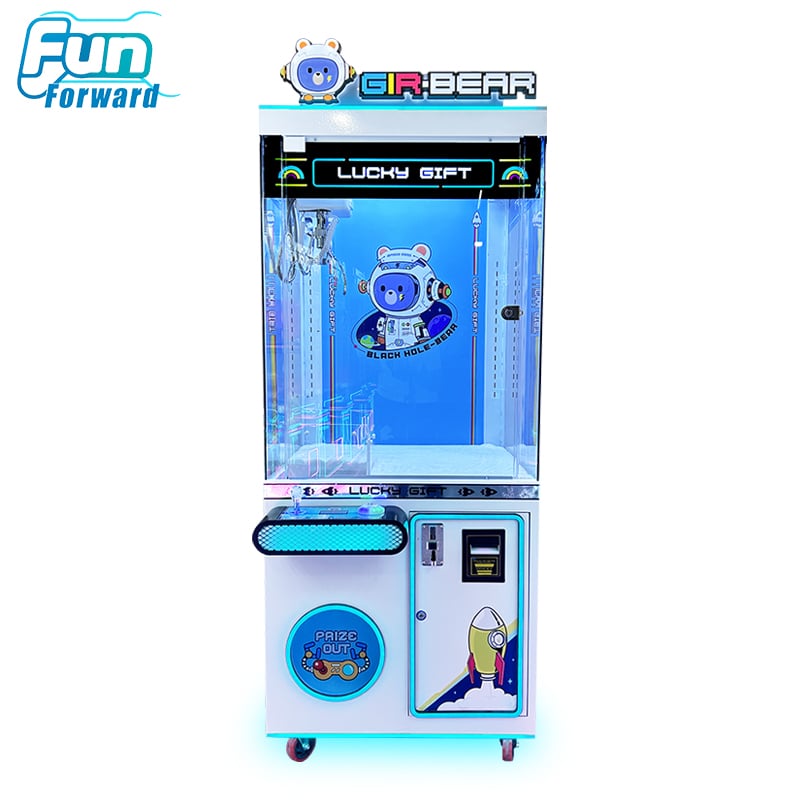
In this real-world inspired case study, a mid-sized operator opened a standalone store in a busy shopping mall corridor, dedicating roughly sixty percent of floor space to doll machine units and the remaining forty percent to capsule toy vending stations. The results were notable: foot traffic increased consistently, average spending per visit rose, and the doll machine section consistently outperformed capsule sales on a per-square-meter basis. Understanding why this worked requires a closer look at each element of the store design and operational strategy.
When the operator first planned the space, the doll machine section was positioned at the entrance of the store. This was a deliberate choice. A doll machine is visually engaging, with bright lighting, plush prizes visible through the glass cabinet, and the mechanical movement of the claw arm attracting attention from passersby. Placing multiple doll machine units near the entrance immediately drew shoppers in from the main mall corridor. Each doll machine was stocked with character plush toys and seasonal themed prizes to keep inventory fresh and relevant to current trends.
The capsule toy section was placed deeper into the store, creating a natural traffic flow that encouraged customers to walk through the doll machine area first. This layout meant that even customers who came specifically for capsules would pass by every doll machine unit, often stopping to try one. The positioning of each doll machine was tested over several weeks, with operators tracking which units generated the most plays per day and adjusting placement accordingly.
Signage, lighting, and themed decoration around each doll machine played a significant role in driving engagement. The operator used themed backdrops behind each doll machine cluster, matching the plush toy characters inside to the surrounding decor. This created an immersive zone effect where each doll machine felt like a mini-attraction rather than just a coin-operated device. The result was that customers stayed longer near each doll machine and were more likely to spend multiple rounds attempting to win prizes.
One of the most important financial insights from this case study is how each doll machine contributes to total store revenue in a way that capsule dispensers alone cannot replicate. A capsule toy transaction is typically quick and low-cost. A doll machine play, by contrast, involves repeated attempts, higher coin spend per session, and emotional investment in winning a specific prize. Customers who engage with a doll machine tend to spend three to five times more per visit compared to customers who only use capsule dispensers. This elevated spend per customer makes the doll machine a high-priority asset in any hybrid store layout.
The operator in this case study reported that revenue from the doll machine section consistently represented over sixty-five percent of total store income despite occupying only slightly more floor space than the capsule area. Restocking each doll machine with popular character plush toys was identified as the single most impactful factor in sustaining high play rates. When a doll machine contained trending character merchandise, play volume on that specific unit spiked noticeably.
While the doll machine dominated revenue, capsule toys served a different but valuable function. They attracted a younger demographic and impulse buyers who might not have the patience or budget for extended doll machine sessions. This complementary positioning meant that the store could serve a broader range of customers simultaneously. Capsule sales also provided a more predictable and lower-variance revenue stream, which helped the operator manage cash flow during quieter trading periods when doll machine plays naturally dipped.
Operational success in a hybrid store depends heavily on how well each doll machine is maintained and stocked. The operator established a weekly restocking schedule for every doll machine unit, rotating prize themes monthly to maintain novelty. Each doll machine was also checked daily for claw calibration, coin mechanism performance, and glass cabinet cleanliness. A well-maintained doll machine not only performs better mechanically but also signals quality and trust to customers, encouraging repeat visits. Neglected doll machine units, even if technically functional, saw measurable drops in play frequency.
Staff training was another critical operational factor. Team members were taught to assist customers who struggled with a particular doll machine, explain how the claw mechanism worked, and create a friendly atmosphere around each doll machine zone. This human element significantly reduced customer frustration and increased the likelihood that a first-time player would return and try the doll machine again on future visits.
After six months of operation, the store owner added four additional doll machine units based on the consistent performance data collected from the existing fleet. Each new doll machine was introduced with a themed launch, creating buzz among regular customers. The expansion of the doll machine section allowed the store to accommodate more players simultaneously during peak hours, reducing wait times and increasing total revenue per hour. The operator noted that each additional doll machine paid back its acquisition cost within an average of eight to twelve weeks under normal mall foot traffic conditions.
Character plush toys tied to current entertainment trends perform consistently well inside any doll machine. Seasonal and limited-edition items also drive higher play frequency, as customers are motivated by the desire to win exclusive prizes before they rotate out of the doll machine stock.
For a mid-sized retail space in a mall environment, starting with four to six doll machine units is a practical baseline. This allows the operator to gather performance data on each doll machine, identify top-performing locations, and scale up the doll machine fleet based on actual revenue evidence rather than assumption.
A doll machine performs best in high-footfall environments such as shopping malls, entertainment centers, and transit hubs. Locations with family visitors and young adult demographics tend to show the strongest doll machine engagement rates. Lower-traffic or primarily adult-focused retail contexts may require a different approach to make the doll machine a viable anchor product.

Copyright © Guangzhou Fun Forward Technology Co., Ltd - Privacy policy
 EN
EN