Choosing the right racing machine for your arcade, entertainment center, or family fun park is one of the most impactful investment decisions you can make. A racing machine is not simply a cabinet with a steering wheel — it is an immersive experience platform that directly affects how long players stay, how often they return, and ultimately how much revenue your location generates. With so many models available across different price tiers and specification levels, understanding what separates one racing machine from another is essential before committing to a purchase.
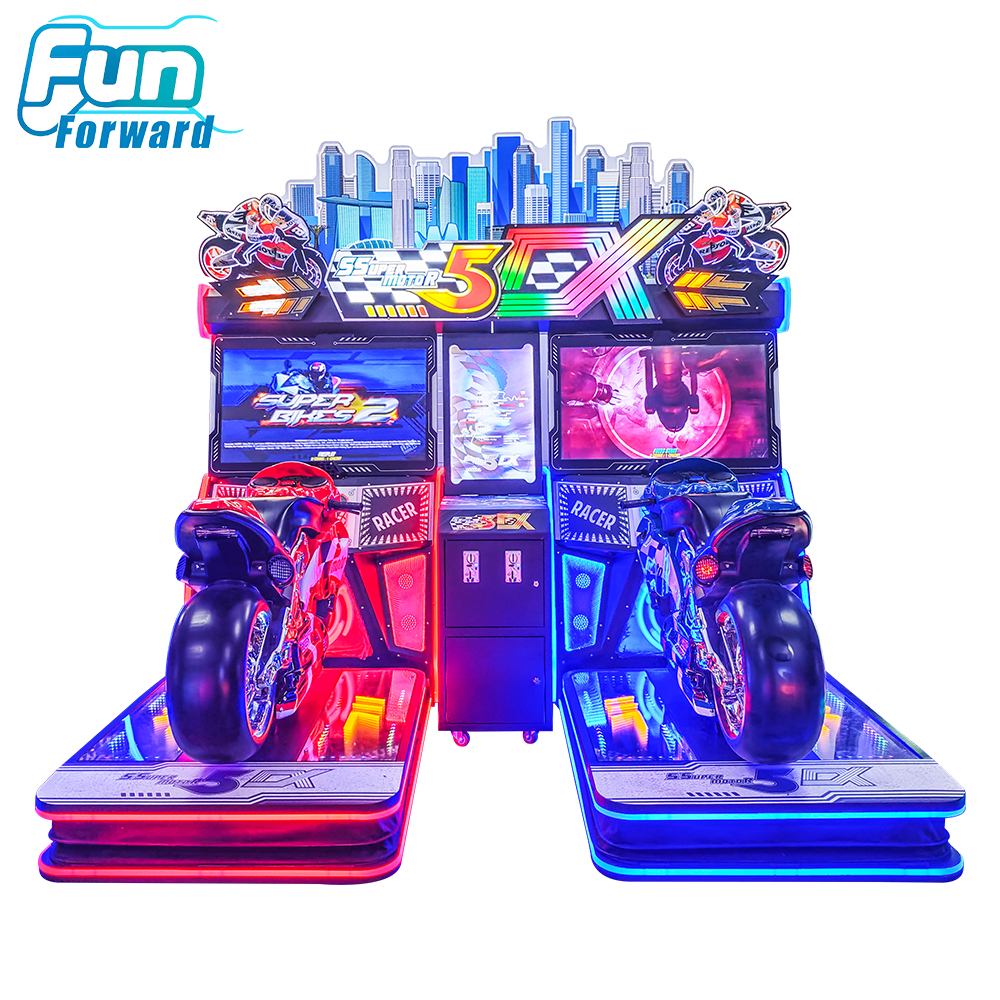
This article breaks down the key dimensions that define a quality racing machine — technical specifications, pricing structures, and the player experience each unit delivers. Whether you operate a single-location arcade or manage a multi-site entertainment brand, this comparison framework will help you evaluate which racing machine profile best matches your business goals, available floor space, and target audience demographics.
The technical backbone of any racing machine begins with its display system. Entry-level racing machine models typically use 32-inch to 42-inch LCD screens with standard HD resolution. Mid-range units step up to full HD or even 4K displays between 43 and 55 inches, delivering sharper visuals that increase player immersion. Premium racing machine configurations frequently use curved screens or multi-panel setups that create a wide field of view closely resembling real driving conditions.
Motion platforms are another critical differentiator. A basic racing machine may use a static seat with vibration feedback, while advanced units incorporate 2-DOF or 3-DOF hydraulic or electric motion platforms that physically tilt, pitch, and simulate road texture under the player. This hardware investment significantly raises manufacturing cost but also justifies higher per-play pricing at entertainment venues. The control assembly — steering wheel, pedals, and gear shift — must offer force feedback resistance and realistic travel distance to make the racing machine feel authentic rather than toy-like.
Beyond hardware, the software engine powering a racing machine determines the depth and longevity of the product. A racing machine with a shallow game library or a single fixed title will see player interest drop sharply after the novelty phase. Top-performing racing machine units are built around engines that support multiple race modes, vehicle classes, track environments, and difficulty levels. Regular content updates, if supported by the manufacturer, extend the commercial lifespan of a racing machine significantly.
Multiplayer networking capability is increasingly expected in modern racing machine deployments. Two-player racing machine units allow head-to-head competition on the same cabinet or across linked stations, which dramatically increases dwell time and social engagement on the floor. Operators should confirm whether the racing machine software supports local area network linking for multi-unit competitive play, as this feature can transform a single racing machine into a scalable attraction system.
A standard sit-down racing machine at the entry level typically falls between $3,000 and $6,000 USD depending on screen size, build quality, and region of purchase. These racing machine units are suitable for smaller arcades, redemption centers, or venues where floor space and budget constraints are the primary concerns. The lower price point of an entry racing machine generally means simpler motion feedback, smaller displays, and fewer software features, but for casual family audiences this is often entirely sufficient.
Mid-range racing machine models, priced between $6,000 and $12,000, represent the sweet spot for most commercial operators. This tier delivers full HD display quality, force-feedback steering, multi-mode game software, and in many cases two-player configurations. A mid-range racing machine balances acquisition cost against revenue potential well, especially in venues where the racing machine will be a featured centerpiece attraction rather than a secondary filler unit.
Premium racing machine platforms — those above $12,000 — are typically built around motion simulation technology, large-format curved or wrap-around screens, and advanced cockpit enclosures that create full sensory immersion. These units are suited to VR arcades, experiential entertainment centers, and locations where the racing machine commands premium per-play or per-minute pricing. The return on investment calculation for a high-end racing machine must account for higher maintenance complexity and the expectation of a more sophisticated player demographic willing to pay for quality.
Coin-operated or token-operated payment systems remain standard across most commercial racing machine deployments, though newer racing machine models increasingly support contactless card payment and app-based credit systems. Operators evaluating a racing machine for a cashless venue should confirm payment module compatibility before purchase, as retrofitting a racing machine cabinet after delivery can be costly and technically complex.
Player experience is ultimately the metric that drives revenue per racing machine unit. A racing machine that delivers genuine excitement — through tight steering response, dynamic motion, and competitive game modes — creates repeat plays and word-of-mouth traffic. Seat ergonomics matter more than many operators initially expect. A racing machine with an uncomfortable seat or awkward pedal placement will shorten average play sessions and reduce the enjoyment of the experience, particularly for adult players who compare arcade hardware against consumer simulation rigs they may own at home.
Replayability is shaped by game variety and difficulty scaling. A strong racing machine should offer enough track and mode variety that a frequent visitor can keep discovering new challenges over weeks of play. Leaderboard systems built into the racing machine software add competitive incentive and encourage players to return specifically to beat previous scores or rival names on the screen.
Two-player racing machine configurations provide measurably higher engagement than single-player units in social entertainment venues. Side-by-side competitive play on a dual-seat racing machine creates visible excitement that attracts bystander interest and draws in new players organically. For operators looking to maximize floor impact, a multiplayer racing machine with synchronized screens and shared race sessions is often worth the additional unit cost relative to placing two independent single-player racing machine cabinets in the same footprint.
Sound design should not be overlooked in racing machine selection. Engine sounds, crowd noise, crash feedback, and ambient track audio collectively shape whether a racing machine feels thrilling or flat. High-quality speaker systems and subwoofer integration in a racing machine cabinet contribute directly to player arousal and are a strong indicator of overall build quality.
For most commercial venues, a racing machine with a 42-inch to 55-inch full HD screen delivers the best balance of visual impact and cost. Larger screens increase immersion but also raise the price of the racing machine unit and require more cabinet space.
A well-built racing machine in a high-traffic location typically requires basic maintenance checks every one to three months. Steering mechanisms, pedal assemblies, and motion platform components in a racing machine experience the most wear and should be inspected regularly to avoid costly downtime.
Yes, in most cases a two-player racing machine delivers higher revenue per square foot than two separate single-player units. The head-to-head competition element of a dual racing machine consistently drives longer play sessions and greater floor visibility, making it a strong investment even for smaller venues with limited space.
Copyright © Guangzhou Fun Forward Technology Co., Ltd - Privacy policy
 EN
EN