1.1 Market Research and Positioning Planning
Customer Positioning: Focus on core customers within a 5-kilometer radius and categorize by scenario—commercial complexes target young people (16-35 years old) for competitive social activities; community areas prioritize family parent-child interaction; tourist attractions cater to international visitors with themed experiences. Analyze consumption habits: teenagers prefer hourly packages and e-sports events; family groups value safety and interactive parent-child equipment; tourists favor time-limited experience packages and photo-friendly facilities.
Differentiated Positioning: Conduct research on local competitors to avoid homogenization. Focus on "immersive VR/AR + linked e-sports" in areas with dense traditional arcades; create "entertainment + STEM education" spaces in family-dense areas; launch cultural and creative themed equipment near tourist attractions to enhance brand memorability.
1.2 Location Selection and Compliance Preparation
Location Strategy: Prioritize high-traffic locations such as shopping mall entertainment floors, university campuses, tourist resort cores, and downtown business districts. Negotiate a 3-6 month rent-free period for renovation and equipment commissioning; clarify venue renovation rights to meet international operation standards. Pay attention to local traffic characteristics (e.g., tourist areas focus on holidays, commercial districts on weekday evenings).
Compliance Handling: Initiate document processing 4-6 months in advance, including Business License, Amusement Venue Operation Permit, Fire Safety Inspection Certificate, and Public Health Certificate. Comply with regulations on minors' access hours and equipment content review; confirm fire protection and power load standards with the property in advance.
1.3 Equipment Procurement, Venue Layout and Budget Planning
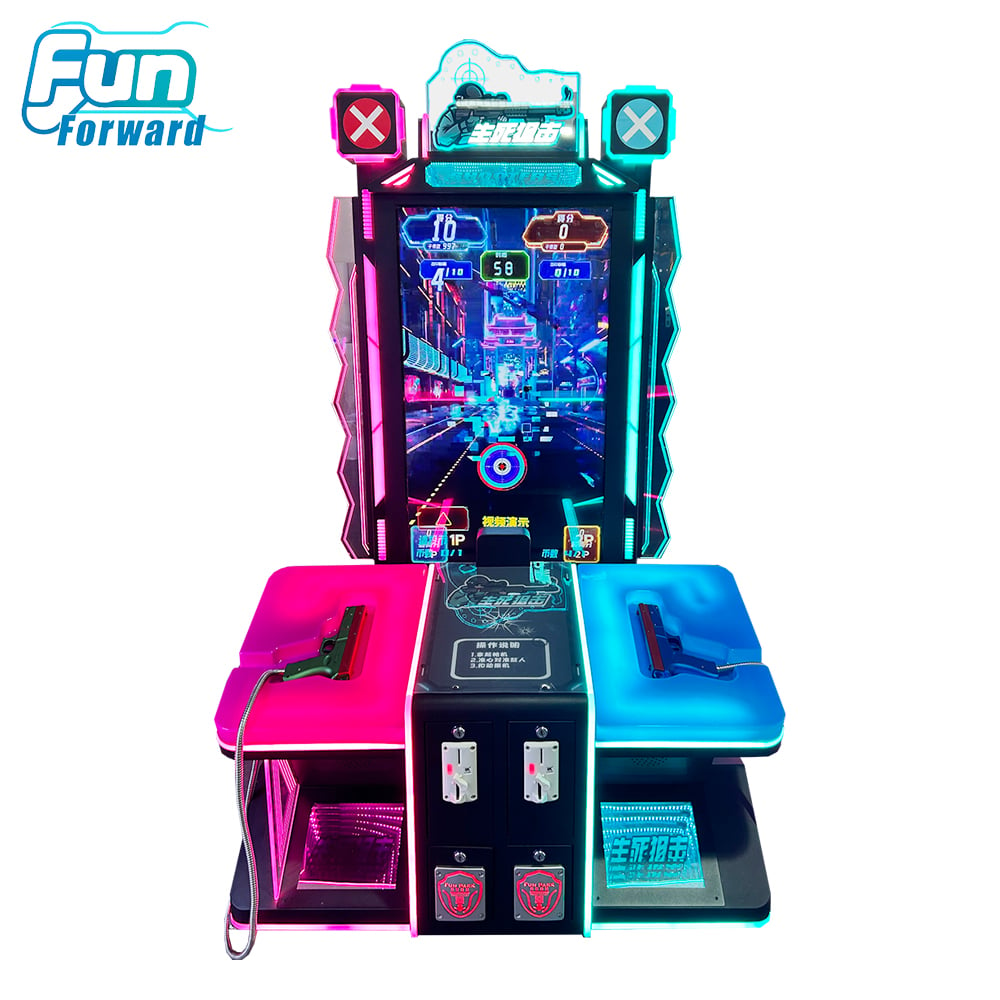
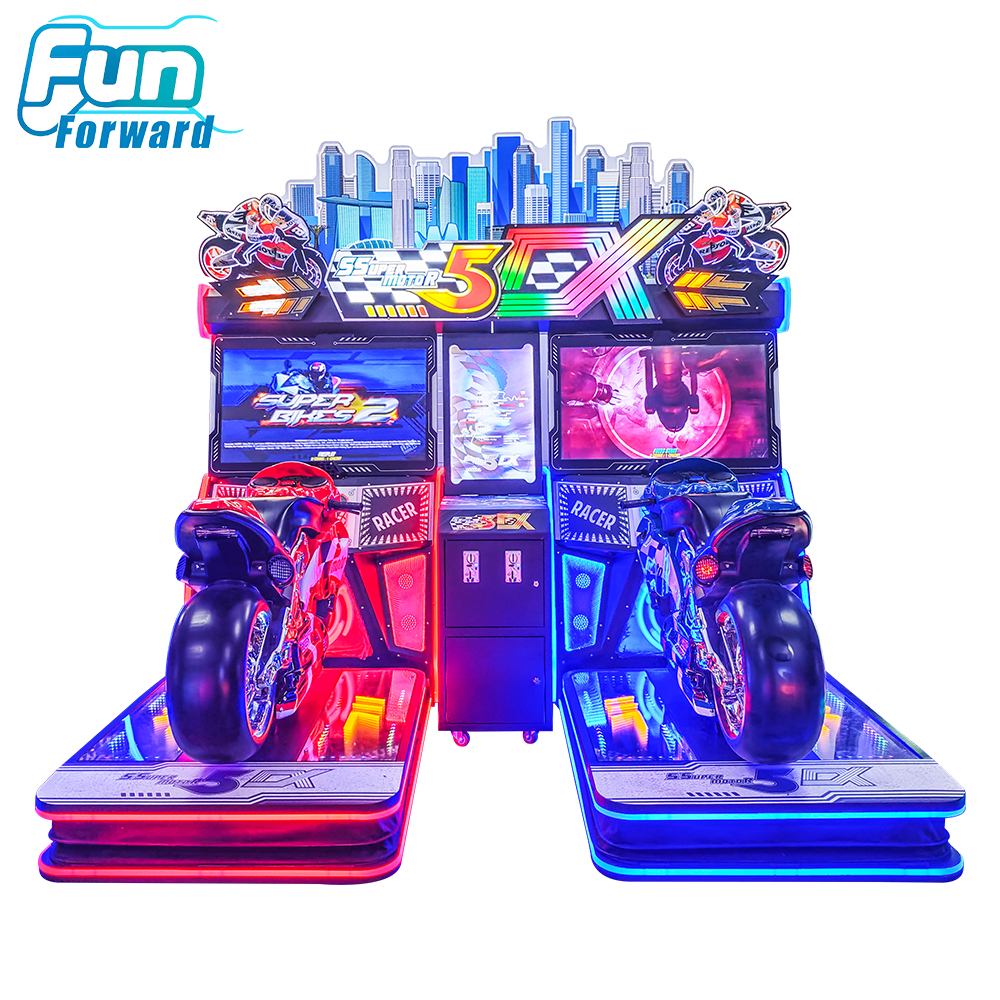
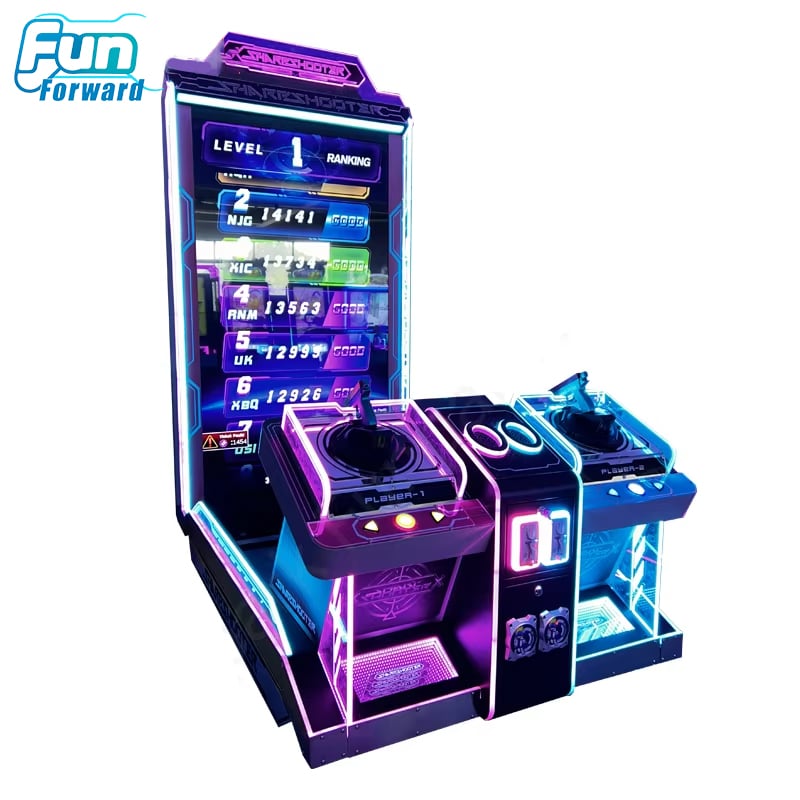
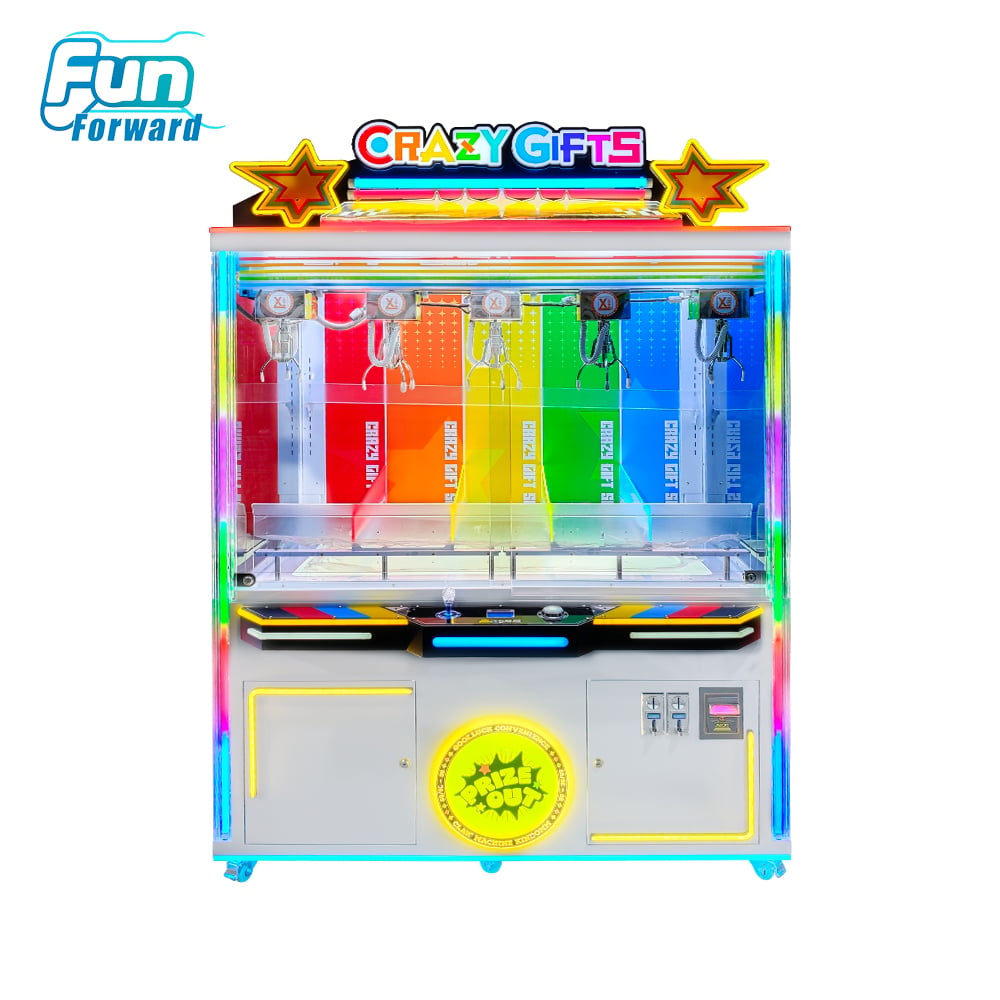
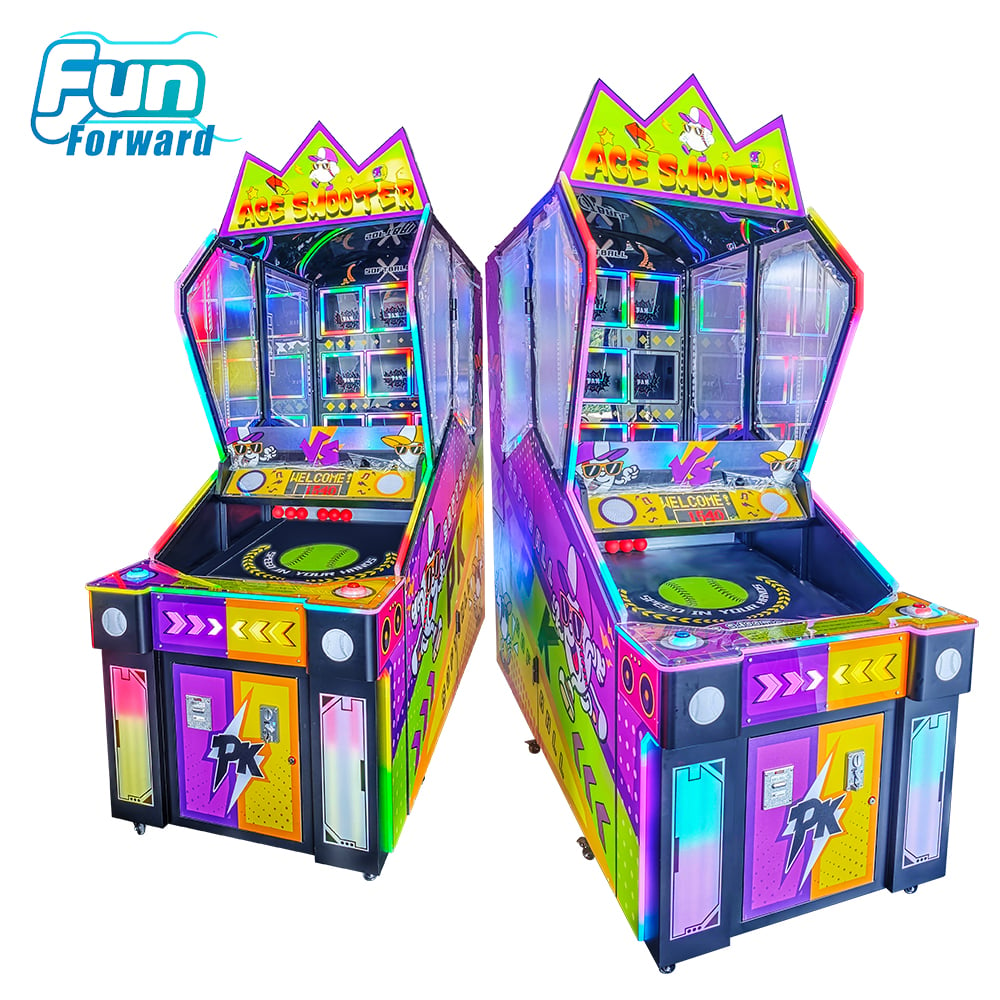
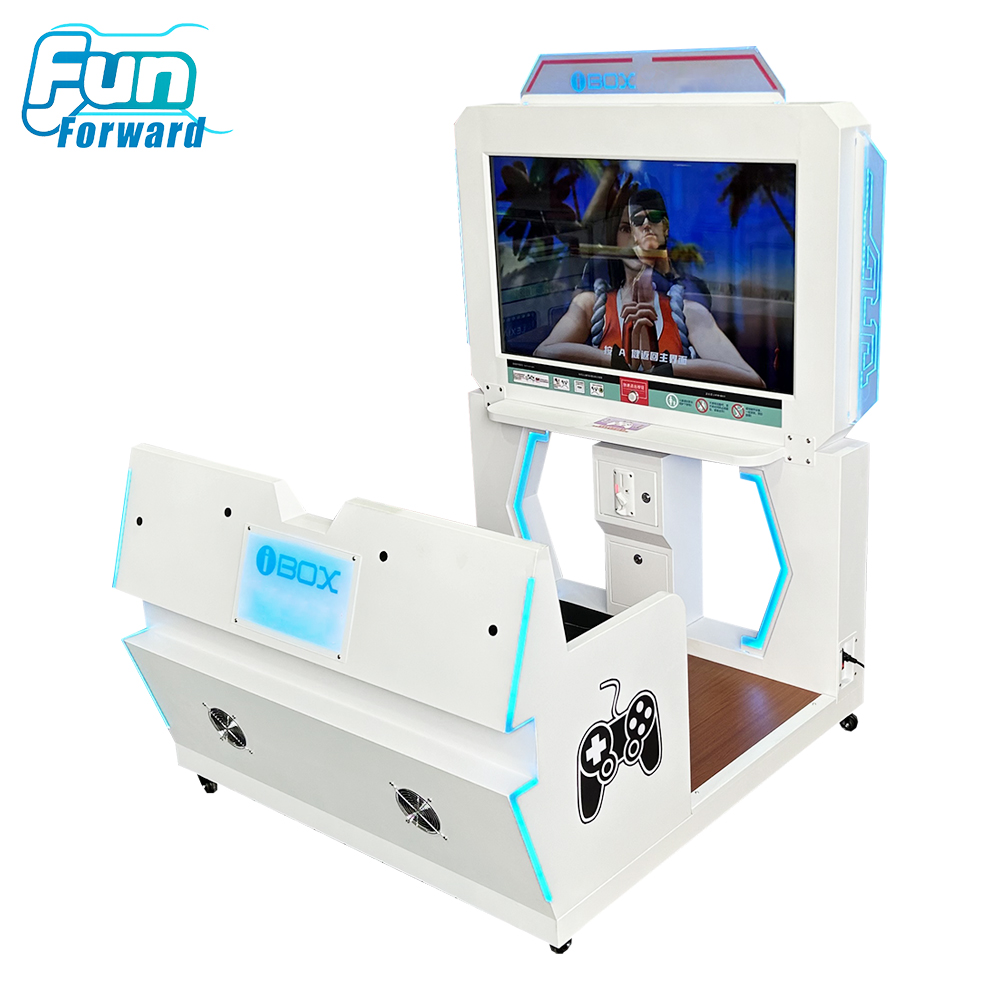
Equipment Selection Principles: Focus on "high immersion, strong social interaction, and high quality"; prioritize equipment from leading manufacturers certified by CE, FCC, and ISO9001. Match combinations by positioning: general configuration (8-12 claw machines, 3-5 racing simulators, etc.); youth-specific (VR e-sports cabins, 4K motorcycle simulators, etc.); family-specific (STEM interactive projections, building block tables, etc.); 1-2 global popular equipment to boost traffic.
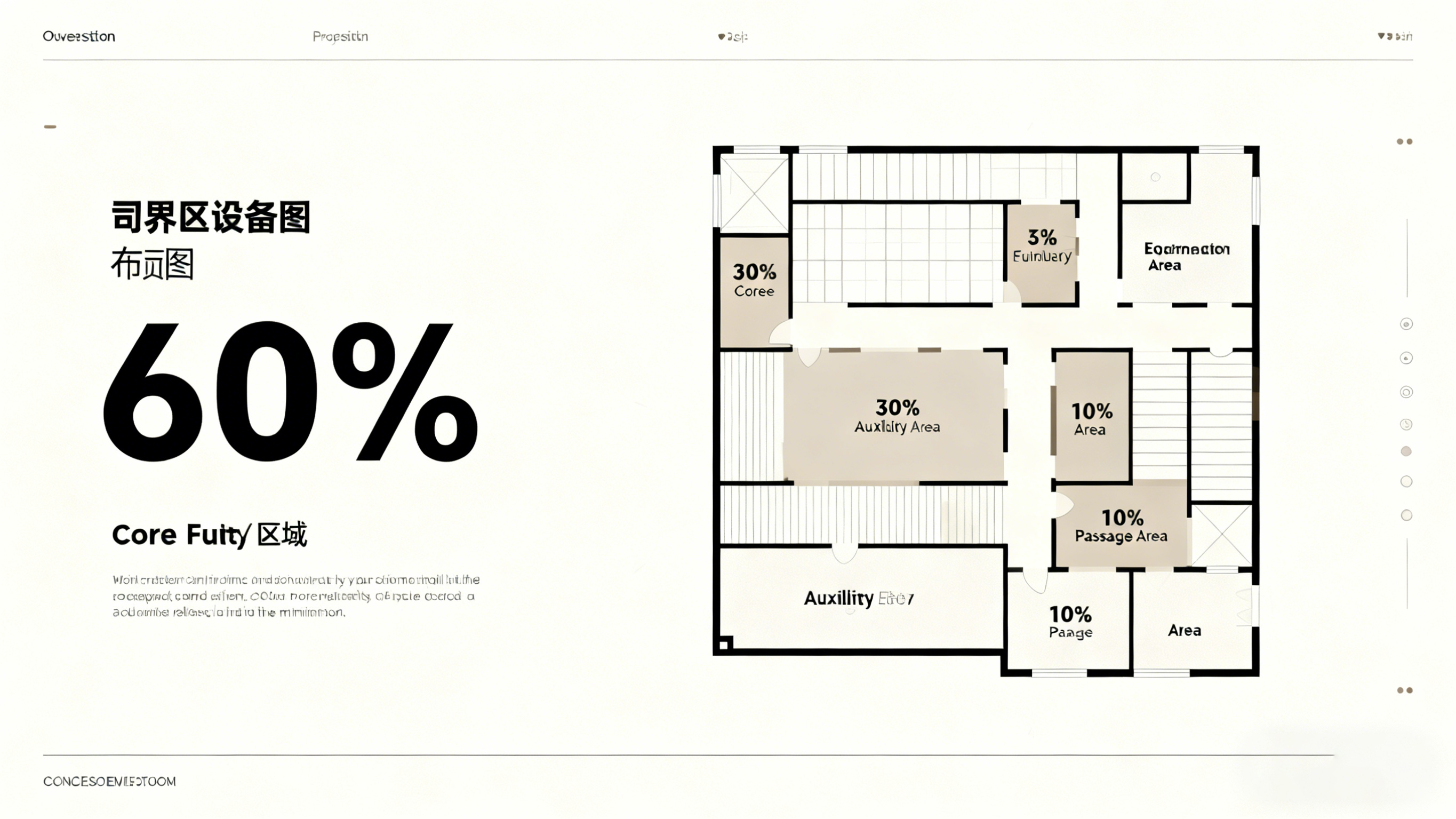
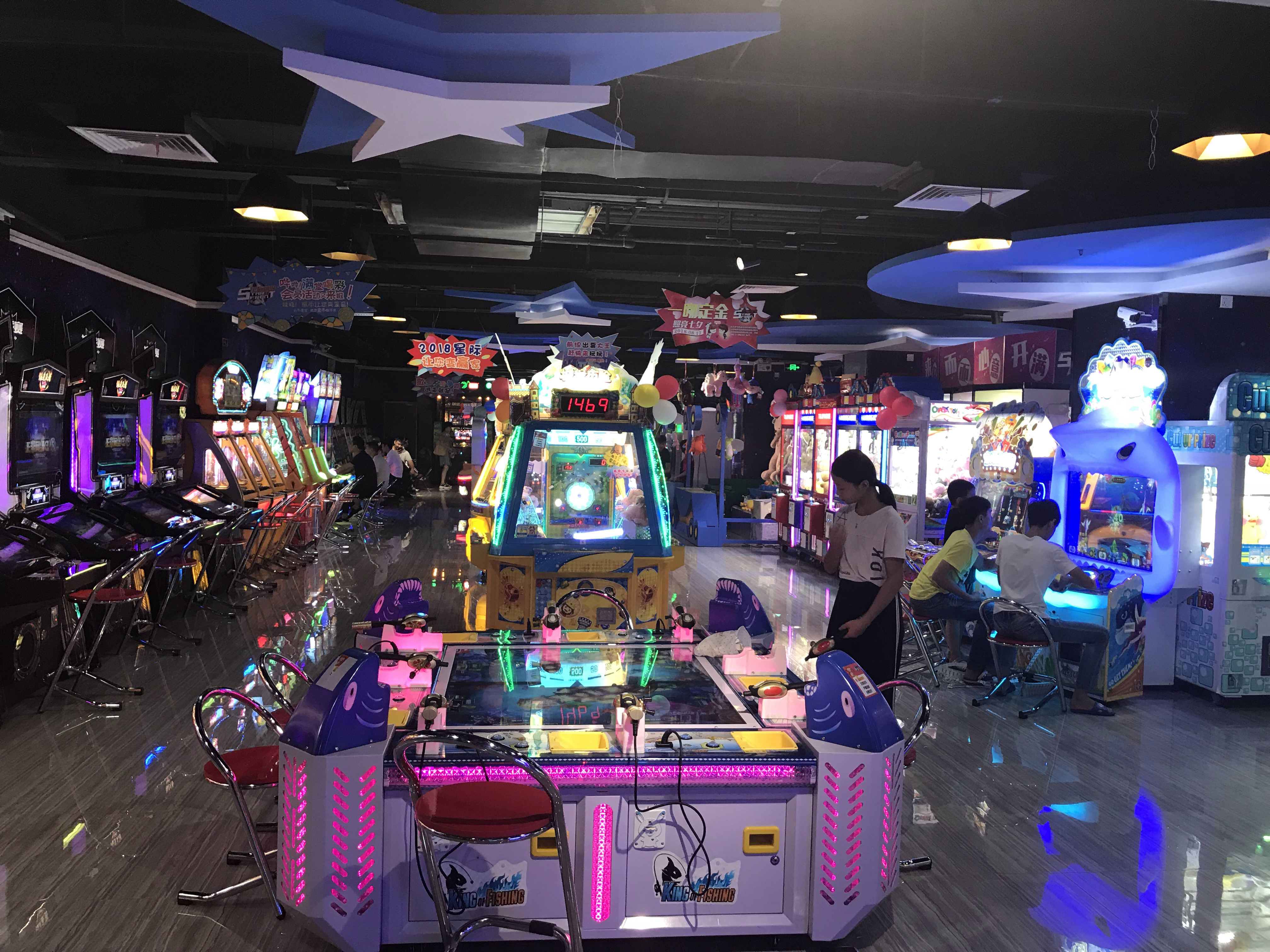
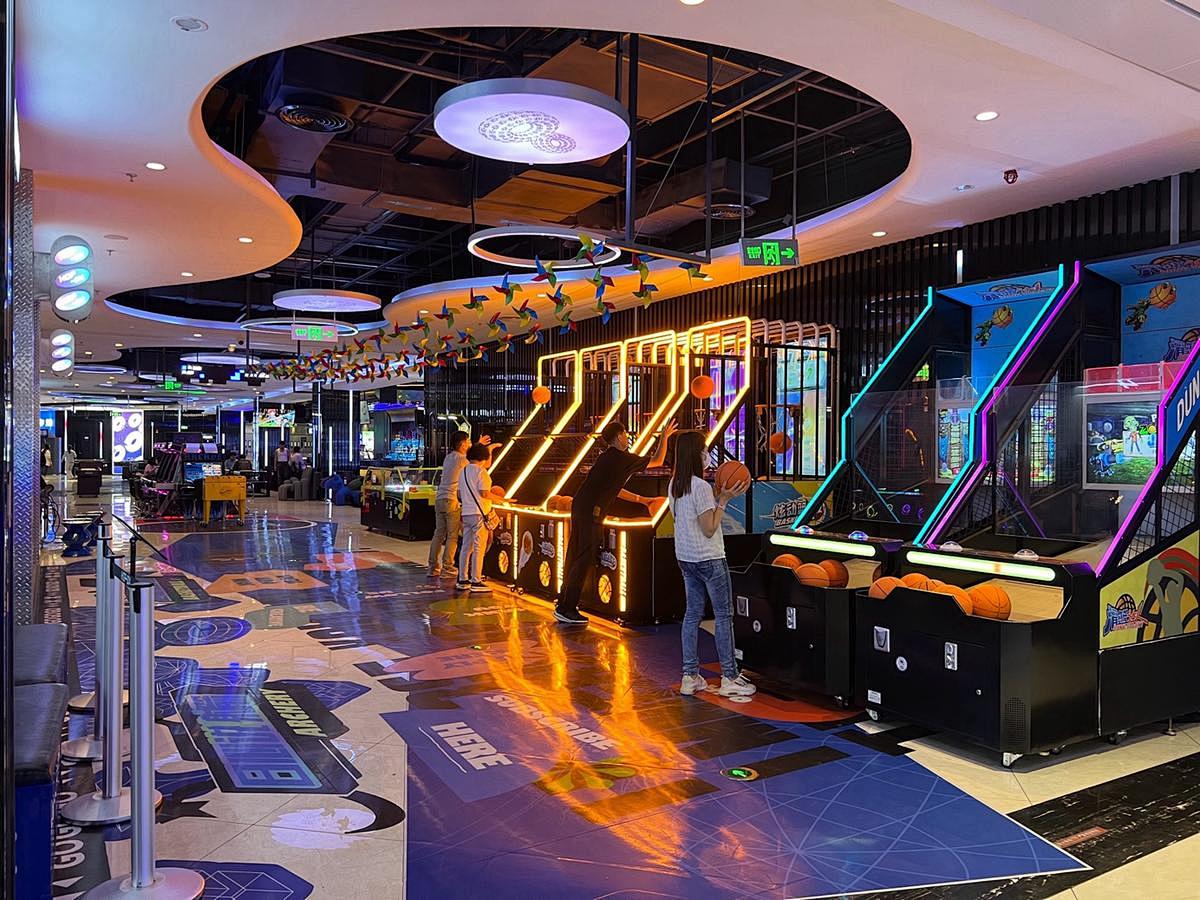
Venue Layout: Follow the ratio of "core amusement area (60%) + auxiliary area (30%) + passage (10%)". Place high-popularity equipment at prime locations; set parent-child areas in quiet corners with anti-collision treatment; create an immersive atmosphere in e-sports areas with dark tones and RGB lights. Equip multi-language signs (English and local language) and place service facilities near the entrance; reserve 10% space for future updates.
Budget Planning: 100㎡ small arcade: total budget 80,000-120,000 US dollars (rent deposit, equipment procurement, renovation, etc.). 800-1200㎡ medium arcade: total investment 400,000-600,000 US dollars, with 20% flexible funds for cross-border transportation and customs clearance.
II. Mid-Term Operation: Refined Management to Enhance Loyalty
The core is to ensure experience through standardized management and activate customer flow through precise operations, achieving a closed loop of "attraction - retention - repurchase", focusing on team, equipment, and member management.
2.1 Team Management and Service Standardization
Staffing: Adopt "store manager + multi-skilled staff" model. Small arcades are equipped with 1 store manager, 2 cashiers, 1 maintenance technician, and 2 service staff; add temporary positions during peak periods. Cashiers need multi-language skills; maintenance technicians need quick fault response capabilities; parent-child area staff prioritize those with childcare experience.
Training and Service Standards: Pre-service training covers equipment operation, service etiquette, and emergency handling; link assessments to revenue and repurchase rates. Implement "three-meter smile" and "30-second response" guidelines; handle equipment failures on-site within 10 minutes and provide temporary compensation if needed. Provide multi-language service materials for international customers.
2.2 Equipment Operation and Maintenance
Daily Maintenance: Establish a "daily three-inspection" system; update claw machine prizes weekly following global popular IPs; perform monthly comprehensive maintenance on core equipment; cooperate with local maintenance teams for timely after-sales service.
Experience Upgrade and Cost Control: Adjust equipment parameters based on feedback (e.g., newbie-friendly claw machine winning rates); update competitive equipment gameplay. Reduce energy consumption by turning off non-core equipment during off-peak hours; sign annual maintenance agreements to control repair rates below 5%; adopt "monthly settlement + return" model with prize suppliers.
2.3 Membership System and Community Operation
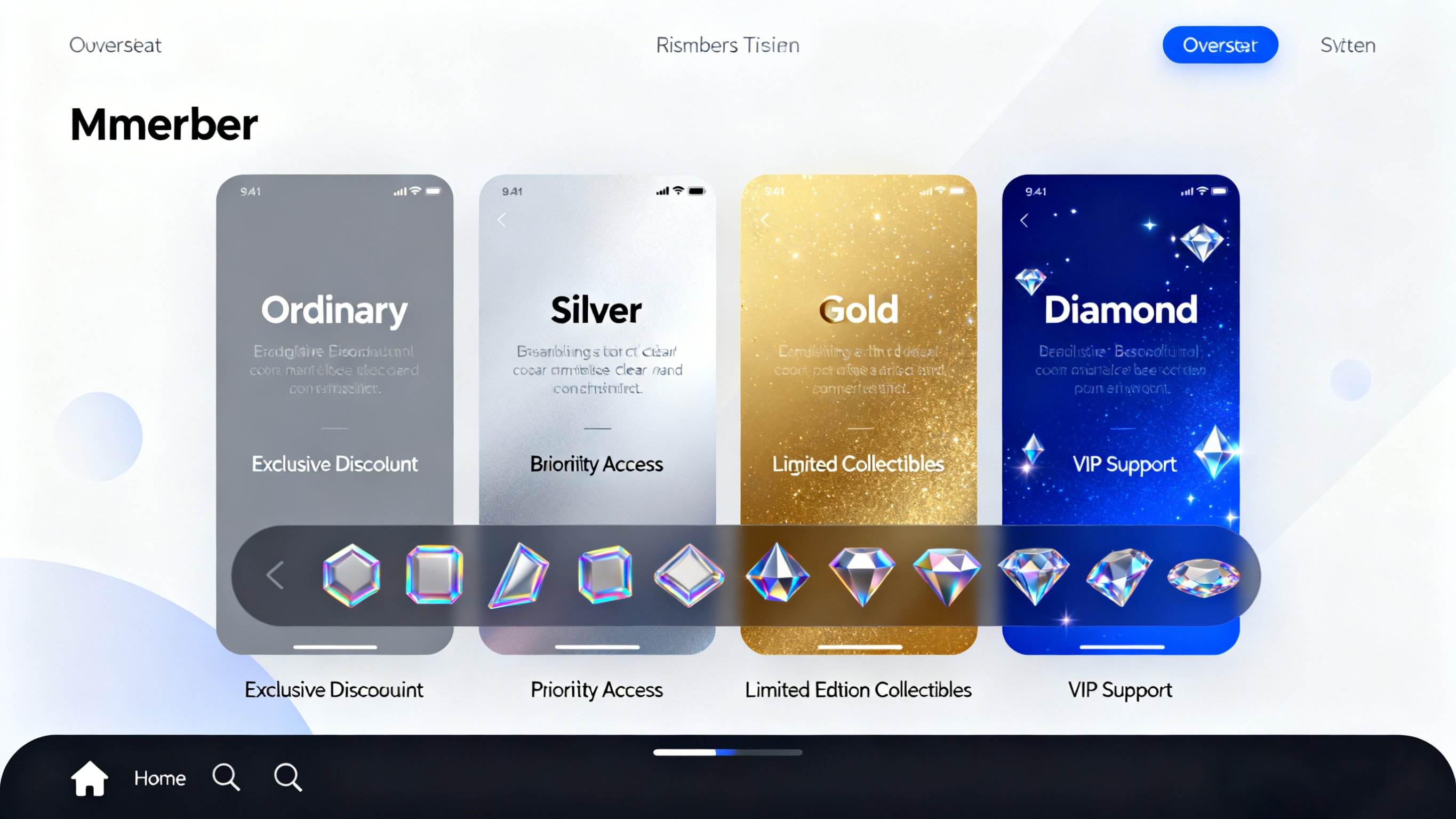
Tiered Membership System: Establish four tiers (Ordinary to Diamond) with tiered benefits (cashback, discounts, birthday gifts, etc.). Introduce blockchain-based digital collectibles for core members.
Community and Precision Maintenance: Build member groups on Facebook, Instagram, etc., and release exclusive activities. Analyze data to send return packages to inactive members and exclusive privileges to high-frequency players; send multi-language promotions based on language preferences.
III. Marketing Promotion: Multi-Channel Attraction
The core is "short-term popularity creation + long-term customer retention" through online-offline integration, focusing on opening, daily, and themed marketing.
3.1 Opening Marketing
Launch 3-day "1-hour free play" during soft opening; offer additional free tokens for social media sharing. Hold "recharge and get equal value free" activities during grand opening; invite local merchants for free experiences to drive word-of-mouth fission; issue experience coupons to potential customers within 5 km.
3.2 Daily Marketing
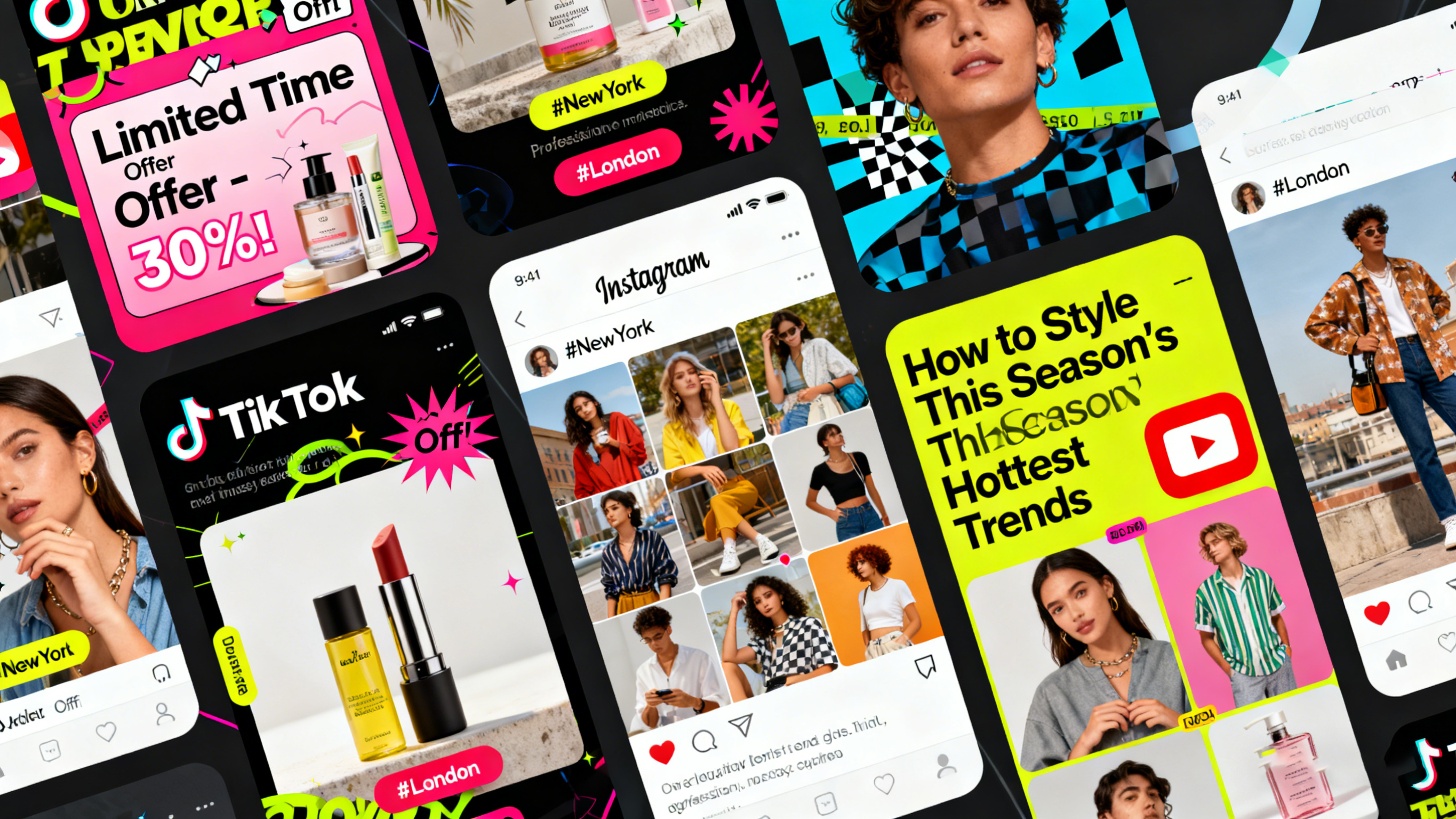
Online Exposure: Post player highlight videos on TikTok and YouTube with location tags; cooperate with local platforms (Yelp, Google Maps) to launch limited-time packages; create equipment introduction short videos.
Offline and Time-Segmented Operation: Distribute experience coupons in surrounding areas; conduct cross-industry cooperation with coffee shops and cinemas. Launch student specials during weekday mornings and limited-time flash sales after 8 pm to attract young people.
3.3 Themed Marketing
Hold monthly retro game days, quarterly e-sports competitions, and weekend parent-child challenges. Launch themed packages during holidays; integrate local unique festivals for customized activities. Set hidden benefits (free play coupons in claw machines, birthday friend incentives) to drive fission.
IV. Long-Term Optimization: Data-Driven Sustainable Development
The core is to refine strategies through data monitoring to achieve equipment iteration and model upgrading.
4.1 Data Monitoring and Analysis
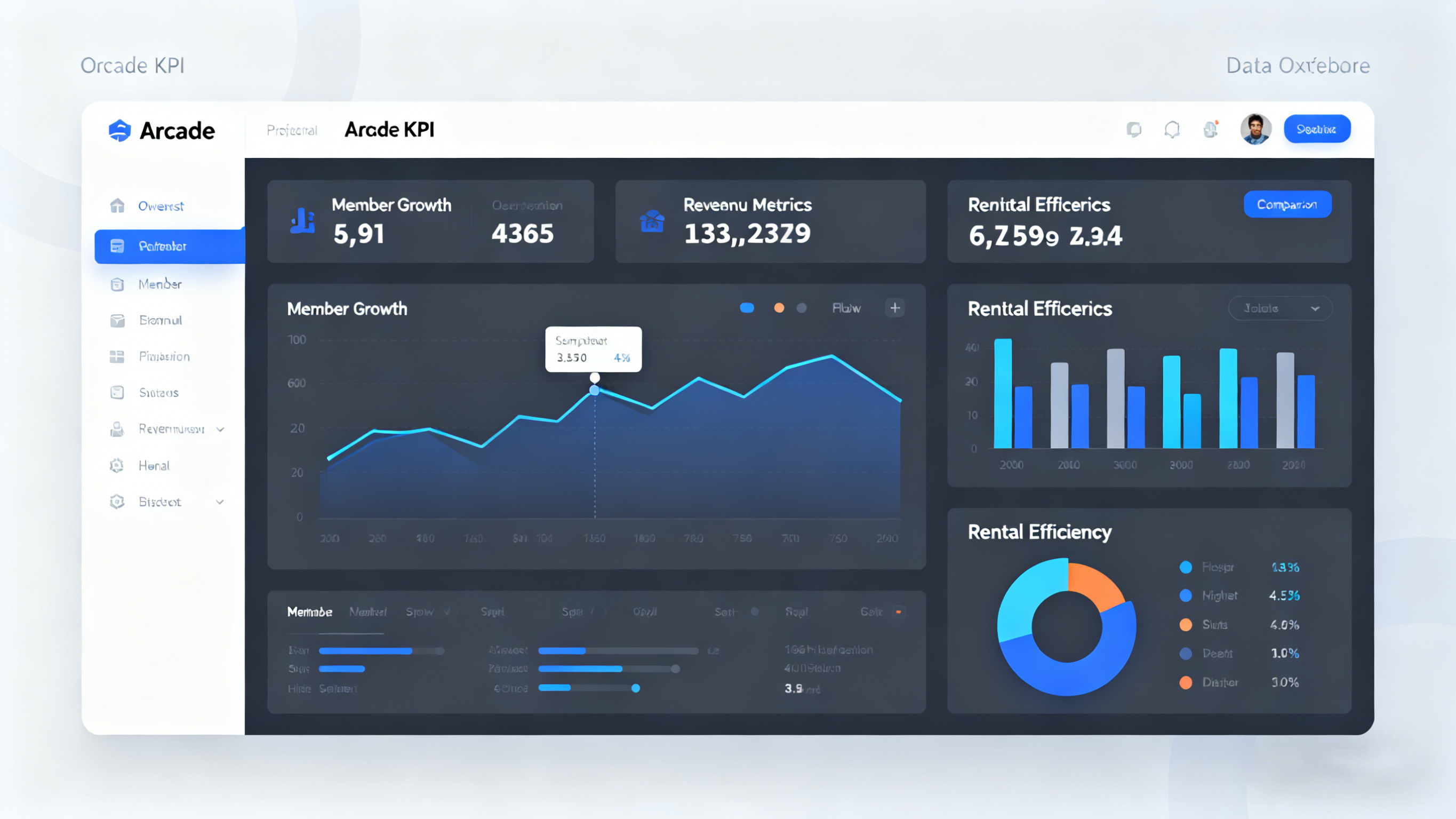
Analyze core data (equipment revenue, member repurchase rate, marketing effect) regularly. Ensure core area rental efficiency is no less than 80-120 US dollars/㎡/month; adjust or replace underperforming equipment timely. Collect user feedback to optimize
services and equipment.
4.2 Equipment Iteration and Format Upgrading
4.3 Risk Prevention and Control
Regularly inspect fire-fighting facilities and implement safety measures; establish emergency plans. Regularly check equipment compliance and strictly implement minors' access regulations; post multi-language prompts; comply with local labor laws.
V. Core Objectives and Benefit Projections
Short-Term (1-3 months): Accumulate 500-800 members, stabilize daily traffic at 150-200, ensure daily equipment revenue ≥150-200 US dollars, meet rental efficiency standards, and achieve break-even.
Mid-Term (4-12 months): Exceed 2,000 members with active rate ≥40%, repurchase rate ≥35%, monthly revenue growth 10%-15%, and payback period within 12-18 months.
Long-Term (over 1 year): Build a regional brand with over 5,000 members, stabilize gross profit margin at 45%-55%, and explore regional chain operations.
VI. Conclusion
Arcade operation is a systematic project of "heavy investment + refined management". The core is to take user needs as the guide and realize the closed loop of "attraction - retention - repurchase" through precise positioning, refined management, and data-driven optimization. The global arcade industry will develop toward "immersion, socialization, and customization". It is essential to monitor market trends and policy changes to build core competitiveness and achieve long-term profitability.

 EN
EN