Coin acceptors authenticate currency through three verification stages: size measurement (laser sensors), weight detection (load cells), and material composition analysis (electromagnetic tests). Modern units achieve 99.4% accuracy in distinguishing valid coins from slugs or foreign objects, with validation completed in 0.8–1.2 seconds to maintain transaction efficiency.
Upon successful validation, a pulsed electrical signal triggers the ticket dispenser via machine-readable code (MRC) protocols. Industrial-grade systems synchronize these actions within 50ms tolerances, minimizing issuance errors. Regular synchronization checks reduce transaction disputes by 62% in parking payment machines, as shown in maintenance logs.
| Design Feature | Application | Benefit |
|---|---|---|
| Vertical coin pathways | High-traffic transit stations | 34% faster jam clearance |
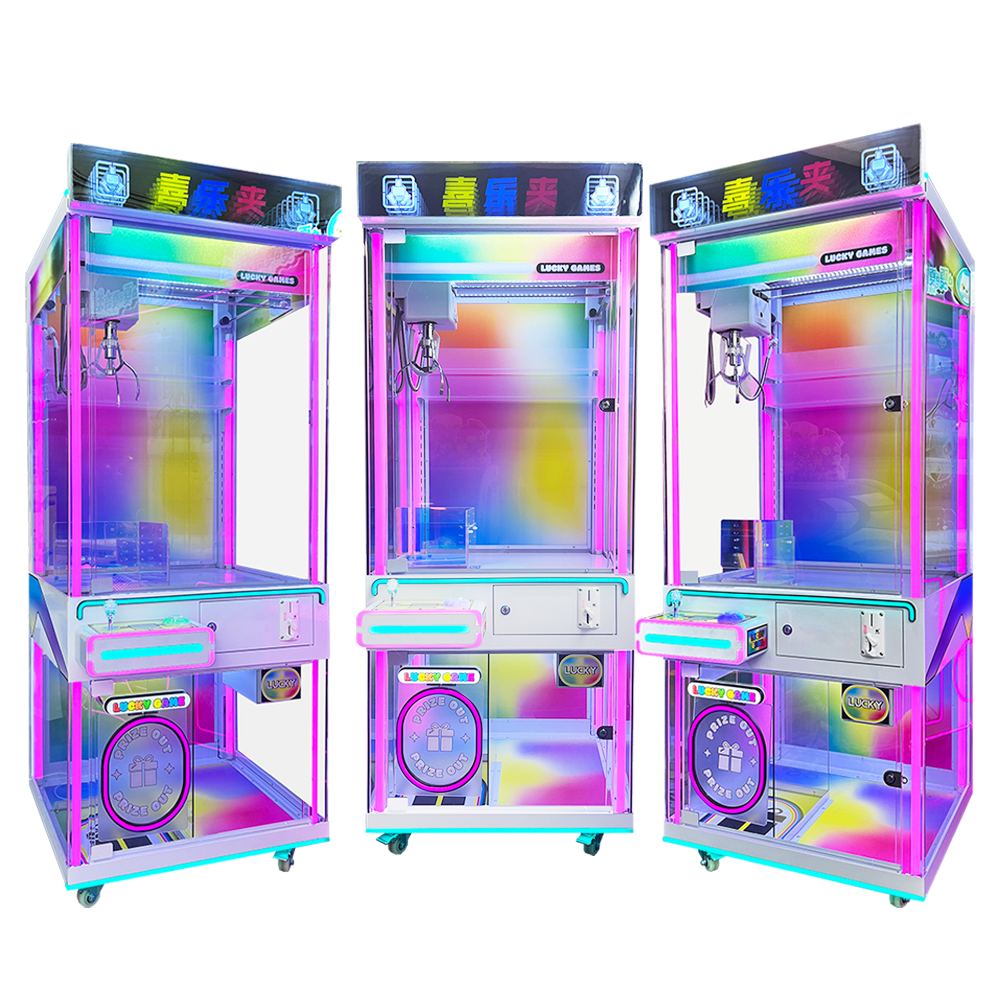
| Modular acceptor trays | Amusement arcades | Tool-free component replacement |
| Hybrid validators | Toll booth systems | Simultaneous multi-coin processing |
Manufacturers increasingly use stainless steel rollers–offering 73% greater corrosion resistance than aluminum–and IP54-rated optical sensors for outdoor installations, addressing failure modes seen in 89% of legacy systems.
Weekly removal of debris from coin slots and transport channels is essential. Use soft nylon brushes followed by compressed air (10–15 PSI) to clear dust. In high-traffic areas like parking payment machines, biweekly cleaning helps prevent obstructions, which account for 37% of service calls according to industry maintenance data.
Optical sensors require monthly calibration using manufacturer-specified test coins. Clean infrared lenses with microfiber cloths to preserve light transmission. For mechanical sensors, verify spring tension and lever alignment meet original specifications to keep false rejection rates below 5%.
After servicing, conduct validation tests with:
Adjust sensitivity if failures exceed one in twenty trials, referencing the machine’s technical manual for acceptable thresholds (e.g., ±0.03g weight variance in modern systems).
Implement quarterly deep-cleaning protocols that include:
| Task | Frequency | Tools Required |
|---|---|---|
| Full disassembly | 6 months | Torx security bit set |
| Gear lubrication | 9 months | Food-grade grease |
| Firmware updates | 12 months | Manufacturer USB dongle |
Consistent preventive maintenance can extend equipment lifespan by 20–40% and reduce coin jam incidents by 62%, compared to reactive repair approaches.
Most jams happen because of stuff getting stuck in the system - think dust buildup, worn out transport rollers, when things aren't properly calibrated, or even moisture creeping in from the environment. According to those field service reports we've been looking at, around 19% of all failures come down to simple dirt accumulation. Retail locations that see constant foot traffic? They tend to have about 40% more problems with jams since customers often rush through transactions without paying attention to how they insert coins. When checking out what's going wrong, start by looking closely at the coin path first, then check those diverters and sorting plates too. These areas are where most issues tend to hide out waiting to cause trouble.
Critical components requiring bi-annual inspection include:
| Component | Failure Signs | Avg. Replacement Interval |
|---|---|---|
| Transport Belts | Fraying edges, slipping | 18–24 months |
| Optical Sensors | Intermittent validation | 12–18 months |
| Coin Wheels | Deep scoring marks | 30–36 months |
Maintain a 15% spare parts inventory based on utilization. Always reference manufacturer tolerance specs when measuring wear.
Contamination is a leading cause of sensor failure. Dust on optical lenses can reduce light transmission by up to 40%, while vibration can misalign mechanical sensors. Monthly cleaning with anti-static brushes and approved solvents preserves accuracy. Technician checklists should confirm:
Precise timing between payment subsystems is critical. A 2023 analysis found 23% of validation errors in parking systems result from millisecond-level handshake mismatches. Best practices include:
Proper calibration reduces rejection rates by 15–30%, per Eurocoin Committee benchmarks. Use certified calibration coins every 300 operating hours or quarterly. Adjust optical sensors to:
| Acceptable Threshold | Rejection Threshold | |
|---|---|---|
| Diameter | ±0.2mm | 0.35mm variance |
| Weight | ±0.5g | 1g deviation |
Document all adjustments in version-controlled calibration logs compliant with ISO/IEC 17025 for audit readiness.
Persistent jams after cleaning may indicate worn gears or degraded sensor arrays. Look for permanent scoring on coin pathways, corrosion in validation components, or hairline fractures in plastic parts. Such damage typically reduces payment accuracy by 25–40% in field-tested units.
When fixing something starts costing more than half what a brand new unit would set us back - especially those tricky optical sensors or bent chutes - it usually makes better sense just to replace the whole thing for reliability down the road. Older equipment tends to have parts that take anywhere from three to six weeks to get in, while newer systems generally have components sitting on shelves ready to go. The math works out pretty quickly too. Most maintenance folks will tell you that if a machine sits idle for over 72 hours a year due to repairs, swapping it out typically pays for itself in the long run. That's not just theory either, plenty of plant managers have seen this play out firsthand across different industries.
Always use technicians with OEM certification, especially for programmable validators or encrypted systems. Many manufacturers require authorized service providers to uphold warranty coverage. Operators report higher first-fix rates–up to 89%–when using certified repair networks.

Copyright © Guangzhou Fun Forward Technology Co., Ltd - Privacy policy
 EN
EN