An indoor amusement park has become one of the most powerful revenue drivers for modern shopping malls and resort destinations. As retail foot traffic continues to shift toward experience-led destinations, operators are investing heavily in entertainment zones that keep families engaged for hours. Real-world case studies reveal exactly how an indoor amusement park transforms underperforming spaces into thriving commercial ecosystems.
Every successful indoor amusement park project starts with a clear understanding of its host environment. Whether embedded inside a regional shopping mall or anchoring a full-service resort, the indoor amusement park must align its attractions, layout, and pricing with the specific audience it serves. The case studies explored in this article demonstrate how strategic planning, attraction mix, and operational insight separate thriving indoor amusement park venues from those that struggle to achieve sustainable returns.
One of the most common scenarios for an indoor amusement park today involves repurposing large-format retail space vacated by anchor tenants. A mid-size regional mall in Southeast Asia converted a 1,800-square-meter unit into a fully operational indoor amusement park featuring arcade machines, soft play zones, redemption games, and a token-operated ride section. Within the first year, the indoor amusement park attracted over 180,000 visitors, significantly boosting dwell time across adjacent food and beverage outlets. The mall management credited the indoor amusement park with a measurable uplift in weekend foot traffic of nearly 35 percent compared to the prior year.
The layout of this indoor amusement park prioritized visibility from the main mall corridor. Bright signage, open-frontage design, and token kiosks positioned near the entrance reduced friction for new visitors. The indoor amusement park also deployed a tiered pricing model, with entry-level activity packages targeted at families and premium packages offered for birthday events. This indoor amusement park model demonstrates that clear spatial planning and accessible pricing are foundational to mall-based success.
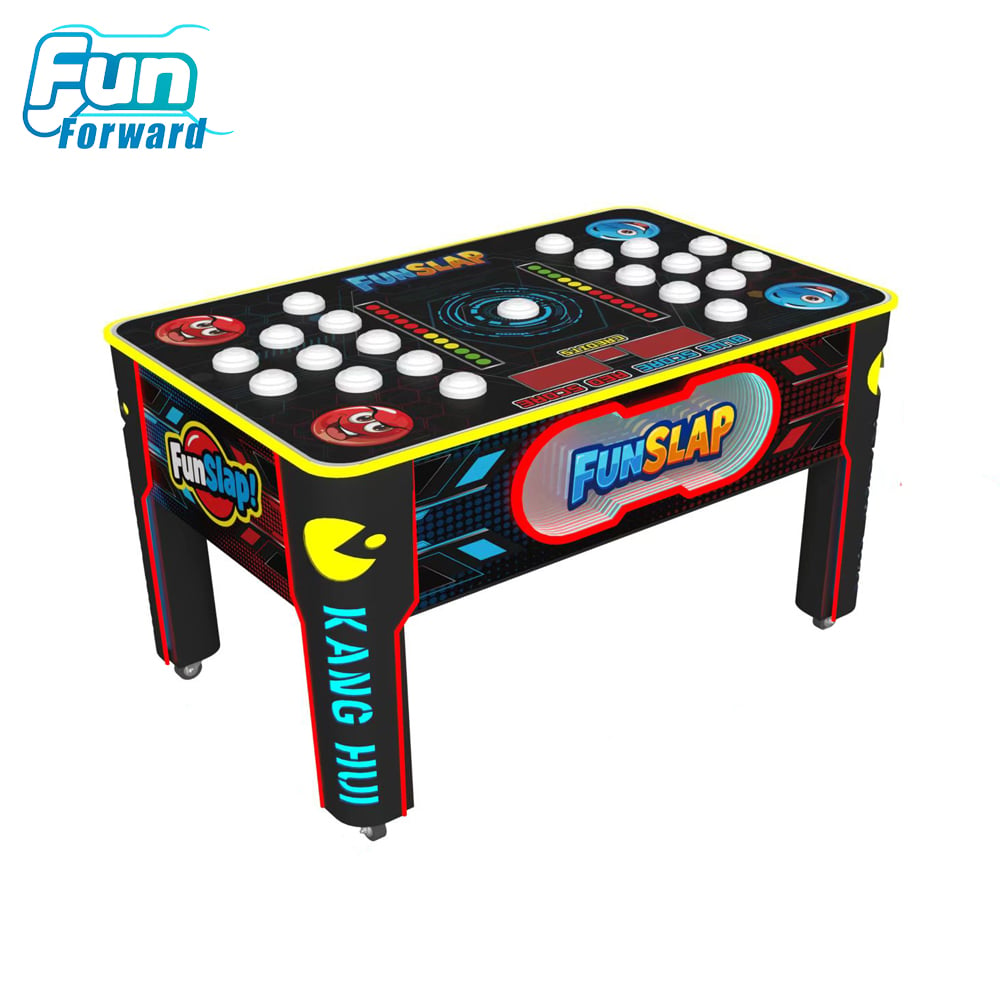
The indoor amusement park in this mall case prioritized coin-operated arcade games alongside newer ticket-redemption cabinets. This attraction mix kept repeat visitors engaged because the reward cycle of an indoor amusement park redemption game is inherently sticky. Visitors who earned prizes were more likely to return, making the indoor amusement park a habit rather than a one-time visit. Operators noted that the indoor amusement park saw its highest per-visit spend during school holidays, confirming that scheduling promotions around academic calendars is an effective indoor amusement park strategy for mall environments.
A beachfront resort in a tropical destination launched an indoor amusement park as part of a broader guest-experience renovation. The resort recognized that rainy-day entertainment was a gap in its offering, and the indoor amusement park addressed this directly. The indoor amusement park occupied a climate-controlled pavilion of roughly 900 square meters and featured interactive simulators, a toddler soft play area, and competitive multiplayer arcade stations. Guest satisfaction scores for the resort rose noticeably after the indoor amusement park opened, with families specifically citing the indoor amusement park as a reason for extending their stay by one additional night.
The indoor amusement park in a resort context operates under different commercial logic than a mall-based one. Resort guests are already on-site and looking for curated experiences. The indoor amusement park becomes a complementary service rather than a standalone destination. This means the indoor amusement park can integrate seamlessly with room packages, meal plans, and loyalty program benefits. The resort in this case bundled indoor amusement park credits into family room packages, which directly increased the average booking value for those room categories.
Resort-based indoor amusement park design must account for the captive nature of the guest base. Unlike a mall, where visitors come and go freely, a resort indoor amusement park serves the same guests across multiple days. This means the indoor amusement park must offer enough content variety to sustain interest over repeated visits. The resort in this case study rotated a portion of its indoor amusement park content on a seasonal basis, introducing new game cabinets and themed activity zones every three to four months. This indoor amusement park content rotation kept the experience feeling fresh for returning guests and generated social media sharing that organically promoted the resort's indoor amusement park to new audiences.
Both the mall and resort indoor amusement park case studies highlight operational efficiency as a critical variable. A well-run indoor amusement park maintains clean, functional equipment, manages queue flow during peak periods, and delivers consistent service quality. Staff at the indoor amusement park must be trained not only in equipment maintenance but also in guest engagement. An indoor amusement park where staff actively encourage visitors to try new games or explain reward mechanics consistently outperforms venues with passive staffing models. In both cases studied, the indoor amusement park operators invested in structured onboarding for all floor staff before the venue launched.
Modern indoor amusement park deployments increasingly rely on cashless payment systems, loyalty card integration, and digital reporting dashboards. The mall indoor amusement park in this article implemented a prepaid card system that allowed families to load credits and monitor usage via a mobile app. This indoor amusement park technology integration reduced cash handling costs and provided operators with granular data on popular attractions, peak usage hours, and visitor return rates. The resort indoor amusement park used a similar system linked to the property management software, enabling seamless billing through the guest room account. These technology choices directly improved the indoor amusement park profitability in both environments.
A viable indoor amusement park in a mall typically requires between 500 and 2,500 square meters, depending on the attraction mix and target audience. Smaller indoor amusement park formats can focus on arcade and redemption games, while larger venues can incorporate soft play, rides, and event spaces. The right size for an indoor amusement park depends on foot traffic volume, local demographics, and available capital.
A resort indoor amusement park serves a captive guest audience across multiple days, so it requires higher content variety and seasonal rotation to maintain engagement. A mall indoor amusement park focuses more on attracting new visitors and maximizing per-visit spend. Both types of indoor amusement park benefit from cashless payment systems, trained staff, and strategic attraction placement.
Coin-operated arcade machines, ticket redemption games, and interactive simulators consistently rank among the highest-performing attractions in a mall indoor amusement park. Soft play areas attract younger children and encourage longer family visits. The best indoor amusement park operators regularly analyze attraction usage data to refresh underperforming machines and scale up high-demand entertainment zones.

Copyright © Guangzhou Fun Forward Technology Co., Ltd - Privacy policy
 EN
EN