Player engagement in arcade entertainment hinges on thematic design, and few genres deliver excitement quite like racing experiences. A well-designed racing machine captures the psychological drivers that make players return repeatedly—speed, competition, progression, and immersion. Understanding which racing machine themes resonate most with audiences is essential for arcade operators, venue managers, and entertainment business owners seeking to maximize revenue and customer loyalty. The themes integrated into a racing machine directly influence how long players stay engaged, how frequently they return, and ultimately how profitable the machine becomes for your business.
The mechanics of a racing machine—handling, visual feedback, and narrative context—all work together to create memorable play sessions. When players sit down at a racing machine, they're not just seeking mechanical challenge; they're seeking an experience that transports them into a compelling scenario. Operators who understand thematic appeal can select or configure racing machines that align with their venue demographics, ensuring consistent traffic and repeat visits. The right racing machine theme transforms casual players into dedicated enthusiasts.
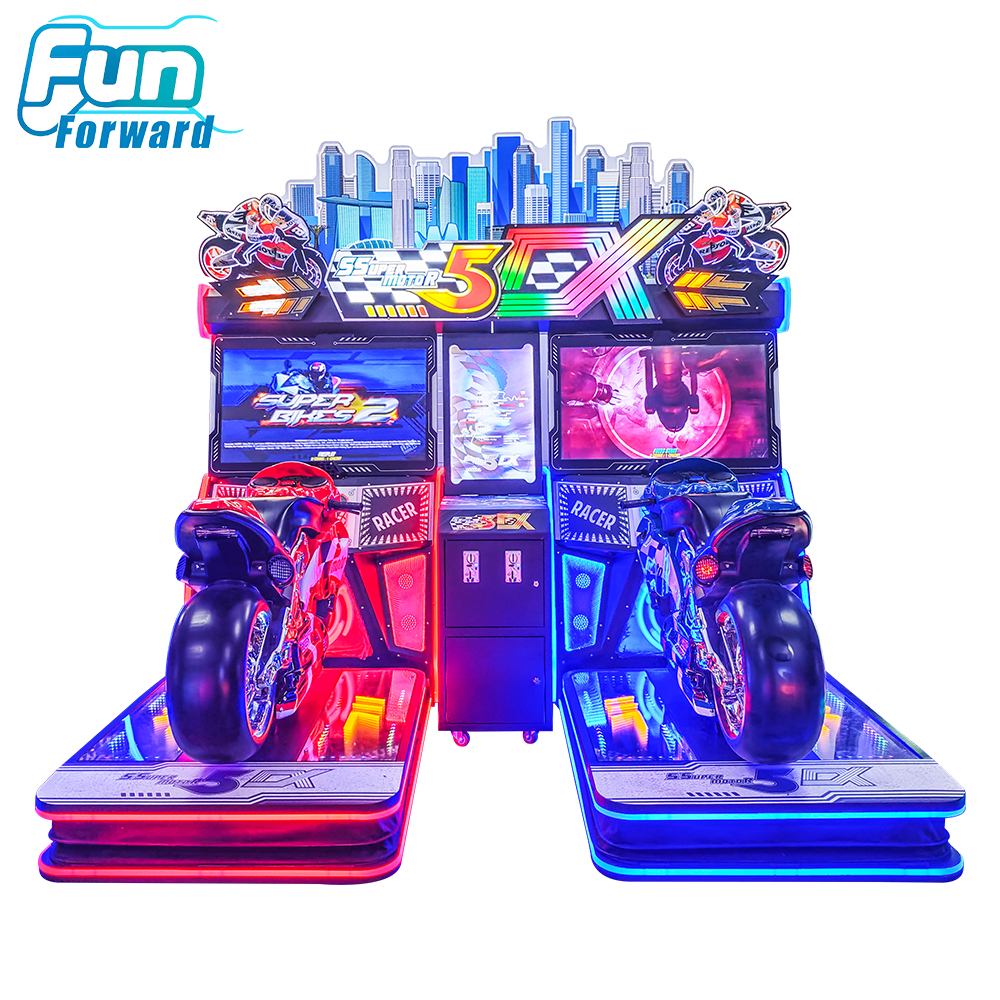
Street racing themes remain one of the most enduring audience magnets in the racing machine market. Players are drawn to the gritty realism of underground racing culture, illegal street circuits, and high-stakes competition that street racing represents. A racing machine built around street racing aesthetics features neon-lit environments, modified vehicles, and urban backdrops that create immediate visual impact. This racing machine style appeals strongly to younger demographics and players who grew up on street racing video game franchises. The theme communicates rebellion, skill, and adrenaline—emotions that drive prolonged engagement at the racing machine.
The best street racing-themed racing machine implementations include vehicle customization systems that allow players to upgrade their cars between races. Players can modify engines, apply custom paint schemes, upgrade tires, and unlock new vehicles as they progress through a street racing campaign on the racing machine. This progression mechanic ensures that repeat visits to the racing machine feel rewarding rather than repetitive. Each play session on the racing machine allows players to accumulate virtual currency, unlock achievements, and build toward meaningful goals. A racing machine that rewards consistent engagement through customization systems substantially increases average session length and daily visits.
Professional racing themes tap into the spectator appeal of legitimate motorsports competitions, Formula racing, and organized championship series. A racing machine themed around professional racing environments features authentic racing venues, sponsor branding, and commentary systems that immerse players in the world of elite motorsports. The racing machine in this category appeals to both casual players seeking prestige and hardcore racing enthusiasts who want realistic simulation elements. Leaderboard systems and tournament modes transform the racing machine into a social hub where players compete for rankings and bragging rights. Competitive players frequently return to a racing machine that tracks their statistics and ranks them against other players in their community.
When a racing machine recreates actual famous racing circuits—prestigious street courses, speedways, and iconic tracks from world motorsports—it elevates the immersion factor considerably. Players recognize these racing machine environments and feel connected to real-world racing culture and legendary drivers. Some advanced racing machine systems allow players to select famous driver profiles, each with unique vehicle characteristics and racing styles. This layer of authenticity in a racing machine's thematic design significantly increases perceived value and justifies repeated play. The racing machine becomes not just entertainment but a form of virtual participation in genuine motorsports history and competition.
Fantasy and science fiction themes offer creative freedom that realistic racing machine themes cannot match. A racing machine themed around futuristic sci-fi racing features hovering vehicles, impossible track geometries, alien landscapes, and gravity-defying mechanics that defy real-world physics. These racing machine environments appeal powerfully to players seeking escapism and pure entertainment value over simulation accuracy. The racing machine in the sci-fi category can incorporate teleportation gates, dynamic obstacles, and environmental hazards that make each lap unpredictable and exciting. Fantasy-themed racing machines attract younger audiences and players who prioritize fun and spectacle over authentic motorsports recreation.
The most engaging fantasy racing machines incorporate branching narratives and story progression that unfold as players advance through the racing machine's campaign mode. Players might progress through different planetary systems, unlock new racing machine tracks by completing story missions, or face increasingly challenging opponents with personal rivalries. This narrative framework transforms the racing machine from a simple competition simulator into an adventure experience. A racing machine that tells a coherent story across multiple play sessions creates emotional investment that goes beyond mechanical enjoyment. Players become invested in discovering what happens next in the racing machine's storyline, driving frequency and session duration metrics that directly impact venue revenue.
Environmental variety significantly enhances a racing machine's replay value and thematic appeal. A racing machine that features desert environments presents different handling characteristics, visual aesthetics, and strategic challenges compared to snow-based or jungle-themed racing machine layouts. Players experience substantially different gameplay on a racing machine's alpine circuits versus tropical beach courses versus industrial wasteland tracks. This environmental diversity within a single racing machine prevents gameplay monotony and encourages players to experience all the racing machine's content. Weather effects, surface conditions, and environmental hazards create contextual difficulty variation within the racing machine system.
Advanced racing machines incorporate dynamic weather systems that change track conditions in real-time during gameplay. Rain effects on a racing machine reduce grip and visibility, requiring different racing strategies on the wet racing machine circuit. A racing machine with dynamic weather systems keeps the competitive experience fresh because the racing machine presents different challenges on every playthrough. Players must adapt their driving style and racing machine vehicle setup to current conditions rather than memorizing a single optimal racing machine strategy. This dynamic nature of weather-enabled racing machines significantly improves retention because the racing machine never feels predictable or mastered.
A racing machine theme becomes engaging through immersive visuals, coherent narrative context, meaningful progression systems, and gameplay mechanics that align with the racing machine's thematic promise. Players engage deeply with a racing machine when the theme reinforces emotional investment—whether that's the prestige of professional racing, the excitement of street racing, or the wonder of science fiction. The racing machine's soundtrack, vehicle design, and environmental details should all reinforce the racing machine's central theme. A racing machine that commits fully to its thematic identity and supports that identity with appropriate mechanics and rewards will consistently outperform generic racing machine installations.
Racing machine themes directly influence whether players view the racing machine as worth their continued investment and spending. A racing machine with compelling themes creates emotional attachment that motivates repeat visits. The racing machine becomes associated with specific memories, achievements, and social status within the player community. Players return to a racing machine specifically because they want to experience that particular racing machine's thematic environment, not just any racing game. Operators who understand their specific audience demographics can select or customize racing machine themes that maximize retention within their venue.
Yes, modern racing machines increasingly feature modular theme systems or campaign modes that allow players to experience the racing machine across multiple thematic settings. A single racing machine can present street racing modes, professional racing circuits, sci-fi environments, and exotic locations within different campaign progression paths. This variety within a single racing machine investment dramatically increases the asset's lifetime value and appeal to diverse player preferences. Operators benefit from racing machine systems that offer thematic flexibility because a single racing machine can attract different audience segments and adapt its presentation to venue needs.

Copyright © Guangzhou Fun Forward Technology Co., Ltd - Privacy policy
 EN
EN