A racing machine is a complex piece of entertainment equipment that combines mechanical motion, display technology, and immersive audio into a single unit. Whether deployed in an arcade hall, entertainment center, or gaming venue, every racing machine demands consistent and structured maintenance to stay reliable, safe, and fully operational. Neglecting regular upkeep can lead to component degradation, poor player experience, and costly repairs that interrupt business income.
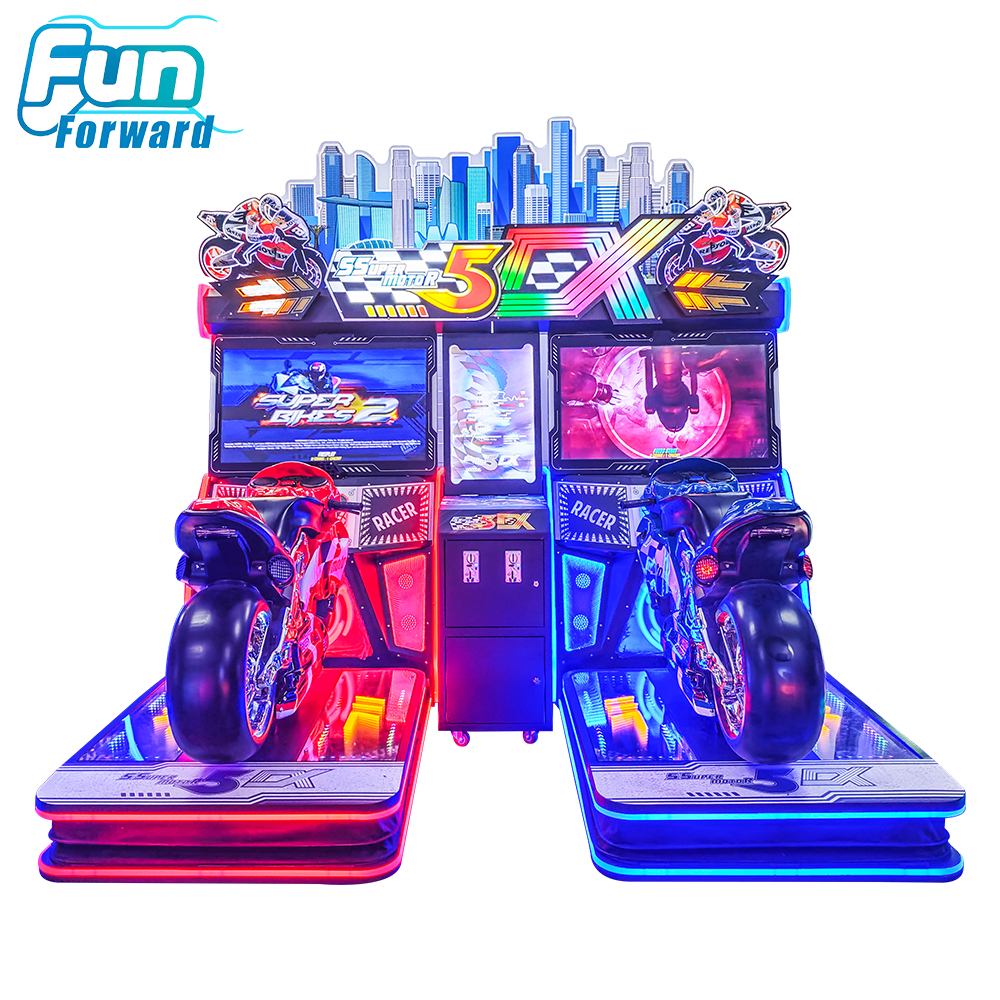
This guide provides a practical and structured approach to maintaining the four most critical systems in any racing machine: the steering assembly, the motion platform, the display screen, and the audio output system. By following these care routines, operators can dramatically extend the lifespan of their racing machine and keep the player experience sharp and consistent across every session.
The steering wheel is the most touched component on any racing machine, absorbing thousands of inputs per day from active players. Over time, the resistance mechanism inside the steering assembly can weaken, creating loose or unresponsive feedback that diminishes gameplay authenticity. On every racing machine, the steering column should be inspected weekly for wobble, unusual resistance, or grinding sensations during rotation. These signs often indicate worn bushings or a failing force feedback motor that needs immediate attention.
Lubrication is essential to prolonging the steering mechanism of a racing machine. Use a light machine-grade lubricant on the shaft bearings every 30 days, avoiding greasy compounds that attract dust. Check the cable routing behind the steering assembly to ensure no pinching or fraying has developed. A racing machine with a responsive and well-calibrated steering system delivers the immersive feel that keeps players returning.
Even a physically sound steering assembly will underperform if the digital calibration drifts. Every racing machine should have its steering center point verified monthly through the onboard diagnostic menu. Recalibrate when the in-game vehicle consistently pulls to one side without player input. Keeping accurate calibration on your racing machine ensures that the game software and hardware stay perfectly synchronized, which is vital for player trust and operator reputation.
The motion platform is what separates an advanced racing machine from a standard arcade unit. It uses electric actuators or pneumatic cylinders to simulate road feedback, banking, and collision vibration during gameplay. These actuators on a racing machine experience significant mechanical stress over daily operation. A thorough visual inspection of each actuator mount, bolt fastener, and connecting joint should be conducted every two weeks. Any looseness in the platform frame of a racing machine can amplify vibration into structural fatigue if ignored.
Listen for irregular thumping or uneven platform movement during test cycles, as these are early signs of actuator misalignment or hydraulic pressure issues. A racing machine that operates with uneven motion not only frustrates players but also accelerates wear on the surrounding chassis. Document each inspection cycle for your racing machine so trends can be identified before they escalate into full component failure.
Beyond the actuators, the structural frame of the racing machine must be checked for metal fatigue, weld cracks, or missing fasteners. The seat mounting bolts on every racing machine should be torque-checked monthly because repeated motion loosens hardware over time. A loose seat on a racing machine is not only a gameplay issue but also a safety concern for the player. Inspect seat upholstery for tears and replace padding when it compresses beyond comfortable use, as player comfort directly affects session duration and revenue.
The display screen of a racing machine is its most visible component and one of the first things players evaluate before inserting a coin. Dust accumulation on the screen bezel and behind the monitor housing of a racing machine can cause overheating and image degradation over time. Use a microfiber cloth and an anti-static screen cleaner to wipe down the display surface of the racing machine at least three times per week in high-traffic environments. Never use solvent-based cleaners on the screen panel of a racing machine, as these dissolve the protective coating and cause permanent discoloration.
Monitor the brightness and contrast settings of the racing machine display on a monthly basis. Screens dim naturally over operating hours, and a racing machine with a dull display creates a weak visual impression that reduces player engagement. If the display of a racing machine begins showing dead pixels, backlight bleed, or color shift, these are signs that the panel needs professional servicing or replacement before further deterioration occurs.
The audio output on a racing machine plays a powerful role in creating immersion through engine sounds, tire screech, crowd noise, and collision effects. Speakers on a racing machine are susceptible to dust ingress and cone damage from prolonged vibration caused by the motion platform. Clean the speaker grilles of a racing machine monthly using compressed air to remove dust buildup without touching the cone directly. Inspect the speaker connections and amplifier board of the racing machine for loose wiring, oxidized terminals, or heat damage that could cause intermittent audio dropout.
Test every audio channel on the racing machine weekly during pre-opening checks. An unbalanced or silent audio channel on a racing machine disrupts the immersive experience and signals players that the unit is not properly maintained. Adjusting the equalizer settings of a racing machine periodically also ensures the audio profile stays crisp and powerful as speaker components age with use.
A full maintenance inspection of a racing machine should be conducted monthly at minimum. For racing machine units in high-traffic commercial venues, a bi-weekly inspection of the steering, motion platform, screen, and audio is strongly recommended to catch issues early and prevent downtime.
The motion platform actuators are often overlooked during routine upkeep of a racing machine. Operators tend to focus on the visible components like the screen and steering wheel, but the actuator mounts and joints of a racing machine experience the highest mechanical stress and require consistent inspection to avoid sudden failure.
Yes, using the wrong cleaning products on a racing machine screen can cause irreversible damage. Solvent-based or alcohol-heavy cleaners strip the anti-glare coating from the display panel of a racing machine. Always use products specifically rated safe for LCD or LED panels when cleaning the screen of a racing machine to preserve image quality and extend panel lifespan.

Copyright © Guangzhou Fun Forward Technology Co., Ltd - Privacy policy
 EN
EN