The claw machine market across Asia represents one of the most dynamic and profitable segments within the casual entertainment industry. From the bustling arcades of Tokyo to the trendy entertainment districts of Seoul and the modern shopping centers of Singapore, the claw machine has evolved from a simple novelty into a serious revenue-generating asset for arcade operators and venue managers. Understanding the real-world performance of claw machine installations in these thriving markets provides valuable insights for operators considering expansion or optimization of their claw machine portfolios. This case study examines successful claw machine deployments across three major Asian markets, revealing the strategic decisions, operational challenges, and profitability metrics that define claw machine success.
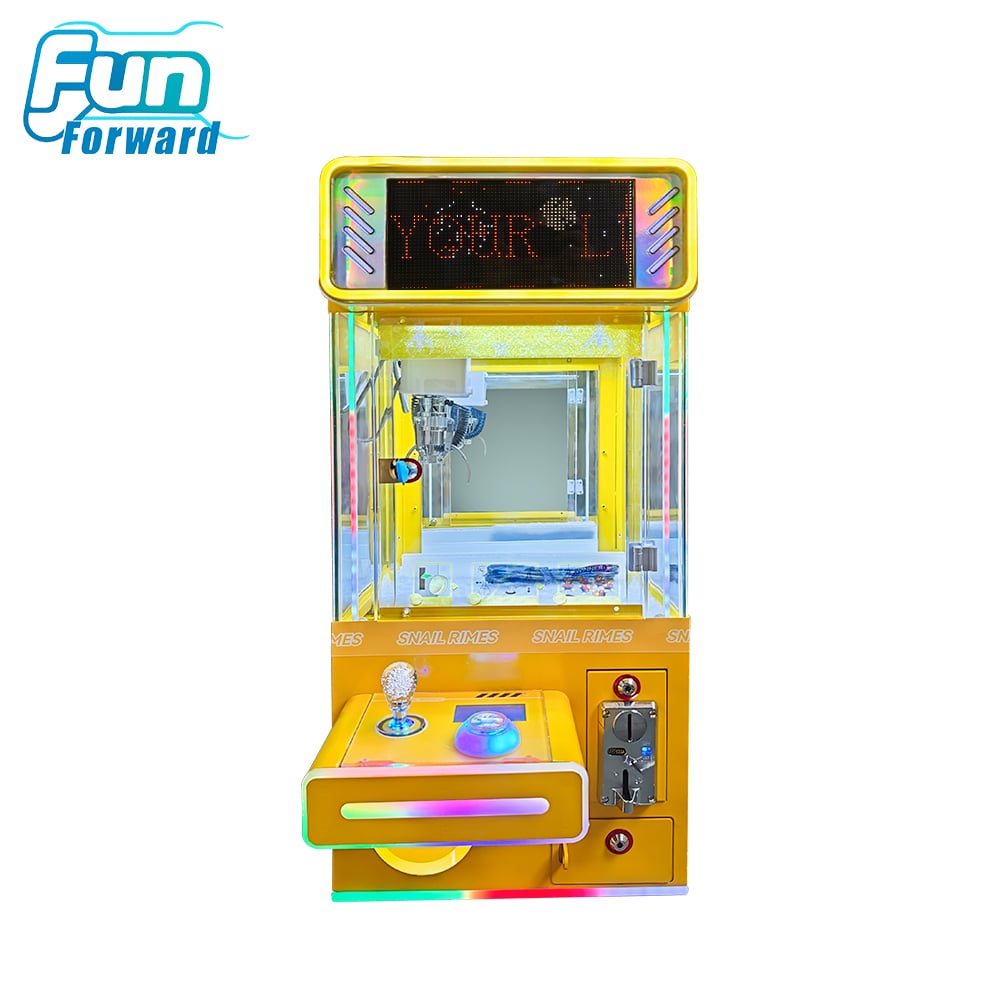
The claw machine market's success hinges on three critical factors: strategic location placement, prize selection optimization, and consistent machine maintenance. Operators who excel at positioning claw machine units in high-traffic zones with strong demographic appeal consistently outperform competitors. The regional variations in claw machine revenue streams across Asia demonstrate that while the core entertainment value remains constant, localization strategies and cultural preferences significantly influence claw machine performance metrics and customer engagement patterns.
Japan's arcade landscape represents one of the most mature claw machine markets globally, where claw machine installations have become integral to shopping district entertainment ecosystems. High-performing claw machine venues in Tokyo, Osaka, and Kyoto typically position their claw machine units within mixed-use entertainment complexes rather than standalone arcade locations. This strategic approach drives foot traffic from shoppers who may not have specifically sought arcade entertainment, significantly amplifying claw machine revenue potential. Japanese operators discovered that a claw machine placed near shopping mall exits captures customers during peak retail hours, with conversion rates 40 percent higher than claw machine locations in dedicated arcade zones.
Successful claw machine operations in Japan prioritize premium, recognizable prizes that appeal to urban demographics aged 15 to 35. The typical claw machine in Japanese venues features licensed anime and gaming character plushies, seasonal merchandise, and limited-edition collectibles. Operators managing top-performing claw machine units report that prize refresh cycles directly correlate with repeat customer visits. A claw machine displaying new collectible prizes experiences customer traffic spikes of 25 to 35 percent compared to stagnant claw machine inventory. Japanese claw machine operators also utilize tiered difficulty settings, allowing casual players easier wins with smaller prizes while offering genuine challenge modes that attract competitive players, maximizing claw machine play-through rates across all skill levels.
South Korea's claw machine market has experienced explosive growth over the past five years, transforming from a niche entertainment segment into a mainstream leisure activity. Dedicated claw machine cafés and claw machine-focused entertainment venues have proliferated across Seoul, Busan, and Incheon, signaling substantial market expansion. Korean operators report that claw machine revenue per unit averages 15 to 20 percent higher than traditional gaming machines, with claw machine venues often maintaining customer loyalty through social media engagement and limited promotional campaigns. The claw machine phenomenon in Korea reflects broader consumer appetite for interactive, skill-based entertainment that combines immediate gratification with achievable challenge.
High-revenue claw machine operations in Korea emphasize rigorous maintenance protocols and rapid response times for equipment malfunctions. Leading Korean claw machine operators maintain service intervals of every 48 to 72 hours, ensuring claw machine units remain fully operational during peak business periods. When comparing claw machine venues, those maintaining machines at this frequency generate 20 to 30 percent more revenue than facilities with weekly maintenance schedules. Additionally, successful claw machine operators in Korea implement real-time telemetry systems to monitor claw machine performance, prize distribution accuracy, and machine downtime. This data-driven approach enables rapid identification of claw machine units underperforming due to mechanical wear or calibration drift, supporting proactive intervention rather than reactive repairs that interrupt claw machine revenue generation.
Singapore's claw machine market demonstrates a distinct premium positioning compared to neighboring markets, with claw machine installations typically occupying high-end shopping centers and luxury entertainment venues rather than traditional arcades. Singaporean operators recognize that claw machine customers in this affluent market prioritize experience quality and prize prestige over volume gameplay. Top-performing claw machine venues in Singapore incorporate sophisticated design aesthetics, climate control, and curated prize selections featuring luxury brands and exclusive collectibles. A claw machine venue successfully competing in Singapore's premium segment reports that customer spend per visit averages 40 to 50 percent higher than claw machine customers in comparable Japanese or Korean venues, driven by higher per-play pricing and extended session durations.
Singapore's regulatory environment requires claw machine operators to implement strict compliance measures regarding machine certification, payout validation, and consumer protection standards. Successful claw machine operations in Singapore maintain comprehensive documentation of machine calibration settings, prize distribution algorithms, and maintenance records. These requirements, while administratively demanding, create competitive advantages for professional claw machine operators, as regulatory compliance builds consumer trust and differentiates legitimate venues from informal competitors. Claw machine venues that exceed compliance minimums by implementing transparent odds disclosure and fair play guarantees report stronger customer loyalty and premium pricing power, demonstrating that regulatory rigor can translate into market positioning advantage within the claw machine industry.
Analysis of successful claw machine operations across Japan, Korea, and Singapore reveals distinct revenue optimization approaches tailored to regional market characteristics. Japanese claw machine venues prioritize high customer throughput with moderate per-play pricing, generating revenue primarily through volume. Korean claw machine operations balance throughput with slightly elevated pricing, while maintaining aggressive customer acquisition through promotional mechanics. Singaporean claw machine venues emphasize per-customer spend maximization through premium pricing and experience differentiation. Despite these regional variations, all high-performing claw machine operations maintain gross margins between 60 and 75 percent after prize costs and machine depreciation, indicating robust profitability potential across the claw machine sector. Machine payback periods typically range from 18 to 36 months for claw machine equipment investments in optimal locations.
Modern claw machine operators across all three markets increasingly integrate digital technologies to enhance customer engagement and operational efficiency. Mobile applications allowing customers to view available prizes, reserve claw machine play sessions, and track achievement badges drive repeat visitation. Leading claw machine venues implement contactless payment systems, digital loyalty programs, and social media integration features that encourage customer-generated content. Claw machine operations leveraging these technological enhancements report 30 to 45 percent increases in customer lifetime value compared to traditional claw machine venues. Additionally, claw machine operators utilizing predictive analytics to optimize prize stocking patterns and machine placement reduce inventory costs while maintaining customer satisfaction, suggesting that operational sophistication directly correlates with claw machine profitability.
The typical payback period for a claw machine investment ranges from 18 to 36 months depending on location quality, venue type, and operational expertise. High-traffic locations with optimized prize selections can achieve payback within 18 to 24 months, while developing locations may require 30 to 36 months. Factors including foot traffic volume, customer demographic quality, maintenance efficiency, and pricing strategy substantially influence claw machine payback calculations. Professional operators with multi-unit experience consistently achieve shorter payback periods through refined placement decisions and operational optimization.
Leading operators implement maintenance intervals of 48 to 72 hours for high-revenue claw machine installations, ensuring consistent mechanical reliability and operational uptime. Regular claw machine maintenance includes mechanical calibration, claw tension adjustment, and prize distribution validation. Venues maintaining claw machine units on this schedule generate 20 to 30 percent higher revenue compared to weekly maintenance protocols. Preventive claw machine maintenance programs reduce unexpected downtime and extend equipment lifespan while maintaining consistent customer experiences that drive repeat visits.
Successful claw machine operators implement regular prize refresh cycles featuring licensed collectibles, seasonal merchandise, and limited-edition items that encourage repeat visits. Claw machine venues that introduce new prize selections every 2 to 4 weeks report customer traffic increases of 25 to 35 percent compared to static inventory. Prize tiering strategies offering accessible wins for casual players alongside genuine challenge opportunities for competitive players maximize claw machine engagement across diverse skill levels. Regional preferences significantly influence claw machine prize effectiveness, making market research and demographic analysis essential components of prize strategy optimization.

Copyright © Guangzhou Fun Forward Technology Co., Ltd - Privacy policy
 EN
EN